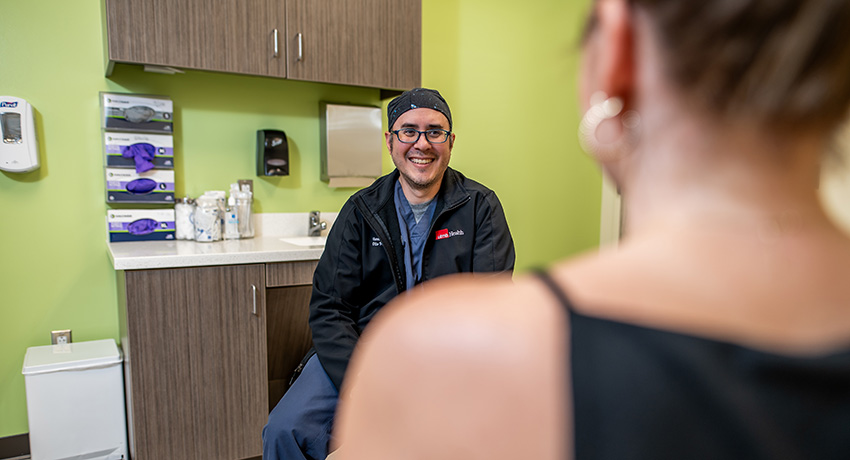
For many women, health care is reactive. A visit gets scheduled when something feels wrong or symptoms worsen.
UTMB Health physicians say crucial women’s health conversations happen long before a problem arises.
From adolescence through menopause and beyond, routine obstetrician and gynecologist visits can help identify concerns early and ensure continuity of care throughout a woman’s life.
Finding concerns early
For many patients without a regular primary care doctor, OB/GYN visits become their entry point into the health care system.
Beyond reproductive care, those appointments serve as broader wellness check-ins that can uncover underlying health concerns.
Providers say preventative appointments often serve as an important entry point into the health care system, helping identify conditions before they progress into serious long-term issues.
Regular preventive care can shape long-term health outcomes by helping physicians monitor changes, track risk factors and identify conditions before symptoms worsen. Even when patients feel healthy, providers recommend annual wellness visits to stay current on screenings and maintain continuity in care.
Why prevention matters
Doctors say many delayed screenings for women are effective for early detection. Important screenings include:
- Routine OB/GYN wellness visits, usually once a year
- Pap smears for cervical cancer screening
- Annual mammograms when appropriate
- Blood pressure and vital screenings
- Conversations about long-term health changes and risk factors
Pap smears remain crucial for cervical cancer prevention. Mammograms also play a major role in catching breast cancer early.
Recommendations vary based on age, family history and medical guidelines, but regular conversations with a health care professional to help patients understand necessary screenings and their scheduling.
Providers encourage all women to schedule an appointment without waiting for symptoms. Here are reasons to schedule a visit:
- Changes in menstrual cycles
- Pelvic pain
- Pregnancy planning
- Menopause symptoms
- General questions about women’s health and wellness
Going beyond symptoms
A major misconception in women’s healthcare is that appointments are only necessary when symptoms appear. In reality, preventative care is often about monitoring what cannot yet be felt.
Conditions can develop gradually and without obvious warning signs. Routine exams allow providers to monitor changes over time and identify patterns earlier.
That long-term continuity allows providers to better understand a patient’s history, lifestyle changes and evolving healthcare needs over time—related to fertility, pregnancy, menopause or general wellness.
A lifelong approach
Women’s health care needs rarely stay the same as they age. What begins with early wellness visits and reproductive care evolves into discussions about pregnancy, hormonal changes, cancer screenings, menopause and long-term disease prevention.Women’s health is most effective as lifelong care rather than isolated appointments.
For women delaying an appointment, providers say the most important step is getting started. Preventive care doesn’t require a problem first. The goal is to keep small concerns from becoming larger ones later.
Ready to prioritize your health? Find a women's health provider and schedule your appointment with UTMB Health today.
The above story was produced by Multi-Platform Journalist Chloe Chapel, with the Community Impact's Storytelling team, using information solely provided by the local business as part of their "sponsored content" purchase through our advertising team.