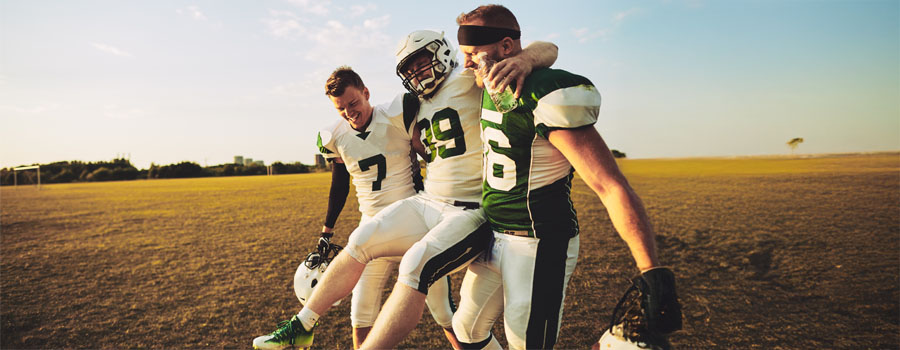
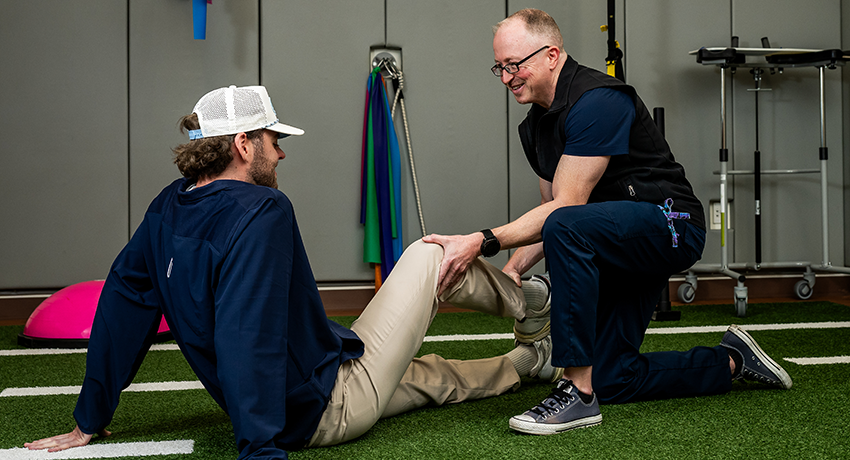
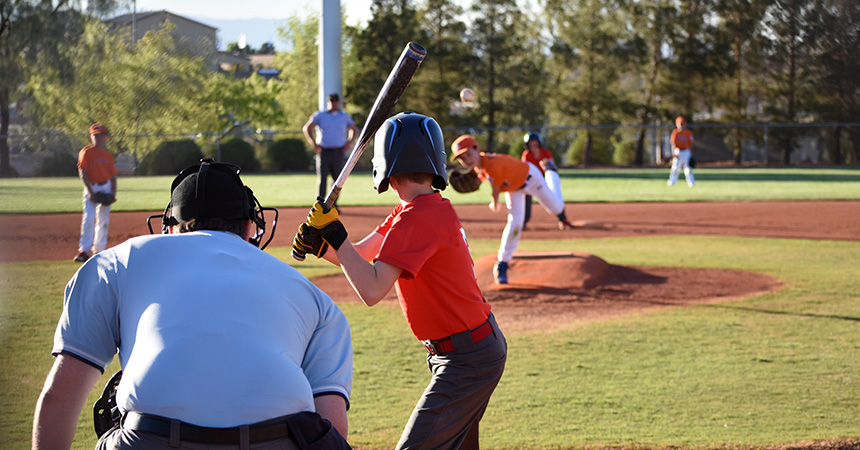
Whether you're a competitive athlete or simply enjoy staying active, sports injuries can happen to anyone. At UTMB Health, our orthopedic specialists provide comprehensive care to help you recover quickly and safely. From sprains and fractures to tendon or ligament injuries, we’re here to get you back to doing what you love, stronger than ever.
Conditions We Treat
Overuse & Degenerative Injuries
Bursitis
Overview:
Bursitis is the inflammation of a bursa, a small, fluid-filled sac that cushions and reduces friction between bones, tendons, and muscles. It commonly affects joints like the shoulder, elbow, hip, or knee. Bursitis can be caused by repetitive motion, pressure, injury, or infection. It often affects people who perform repetitive tasks or put stress on their joints through work, sports, or daily activity.
Symptoms may include:
- Joint pain and tenderness
- Swelling
- Redness or warmth
- Stiffness or limited movement
- Pain worsens with movement or pressure
Treatment/procedure options:
- Rest and activity modification
- Ice packs to reduce swelling
- Anti-inflammatory medications (NSAIDs)
- Physical therapy and stretching
- Draining fluid if needed
- Corticosteroid injections for severe cases
- Antibiotics if caused by infection
- Surgery (rarely, for chronic or recurrent cases)
Osteoarthritis
Overview:
Osteoarthritis is the most common form of arthritis, caused by the gradual breakdown of cartilage that cushions the ends of bones in a joint. As the cartilage wears away, bones may rub against each other, leading to pain, stiffness, and swelling. It often affects weight-bearing joints like the knees, hips, and spine, and typically develops with age, repetitive use, prior injuries, or joint abnormalities.
Symptoms:
- Joint pain during or after movement
- Stiffness, especially in the morning or after rest
- Swelling or tenderness around joint
- Decreased range of motion
- Grating or popping sensations
- Bone spurs (in some cases)
Treatments & Procedures:
- Activity modification and weight management
- Physical therapy and low-impact exercise
- Anti-inflammatory medications (NSAIDs)
- Joint injections (corticosteroids or hyaluronic acid)
- Assistive devices, such as braces or a cane
- Heat or cold therapy
Shin Splints
Overview:
Shin splints, also called medial tibial stress syndrome, are a common cause of pain along the shinbone. They usually develop from repetitive stress on the bone and nearby muscles and tissues, often triggered by intense or increased physical activity. This condition is especially common in runners and athletes. While not usually serious, shin splints can become painful and limit activity if not properly managed.
Symptoms:
- Pain along inside of shin
- Tenderness and mild swelling
- Discomfort during or after exercise
Treatments & Procedures:
- Rest and ice to reduce inflammation
- Shock-absorbing shoes to minimize stress
- Stretching and strengthening exercises
- Gradual return to exercise at a controlled pace
Stress Fractures
Overview:
A stress fracture is a small crack or severe bruise within a bone, typically caused by repetitive stress or overuse over time, as opposed to a single injury. It's a common overuse injury, especially in weight-bearing bones like those in the foot or lower leg. Runners, dancers, and military personnel often experience these fractures.
Symptoms:
- Gradual onset of activity-related pain
- Localized tenderness
- Mild swelling
- Changes in gait
- Bruising
Treatments & Procedures:
- Avoiding high-impact activities
- Boot or brace if needed
- Gradual strength and mobility training
- Controlled return to activity to prevent recurrence
Tendinitis
Overview:
Tendinitis occurs when the tendon, which connects muscle to bone, becomes inflamed or irritated commonly caused by overuse or sudden injury. This condition is most likely to develop in the shoulder, knee, elbow, heel, or wrist, tendinitis. It’s often caused by repetitive motion required to perform a certain task at a job or in sports like tennis, golf, or basketball. In severe cases, tendinitis may lead to surgery due to ruptured tendon.
Symptoms:
- Localized pain near affected joint, especially during movement
- Tenderness or soreness over tendon
- Swelling or mild warmth in area
- Stiffness, especially after rest
- A crackling or grating sensation when moving tendon
Treatments & Procedures:
- Reducing or avoiding activities that aggravate symptoms
- Cold therapy to reduces swelling or heat therapy to loosen tight or stiff areas
- NSAIDs like ibuprofen reduce inflammation and pain
- Stretching and strengthening exercises improve mobility and prevent recurrence
- Bracing or splinting to support joint and limits stress on tendon
- Steroid injections for temporary relief from inflammation, in more severe cases
- Shockwave therapy or ultrasound, used in persistent cases, to stimulate healing
Tendinosis
Overview:
Tendinosis is a chronic condition involving the degeneration of a tendon’s collagen due to long-term overuse or repetitive strain. Unlike tendinitis, tendinosis does not involve significant inflammation but rather wear and tear or microscopic damage to tendon fibers. It typically develops gradually and may take longer to heal. Tendinosis most often affects tendons in the wrist, elbow, shoulder, or ankle and is common in individuals who perform repetitive movements, such as athletes, laborers, or office workers.
Symptoms:
- Persistent, aching pain near tendon (often worse with use)
- Stiffness and restricted movement around joint
- Thickening or a lump along tendon
- Tenderness to the touch
- Weakness in affected limb
- Pain that develops slowly and lingers for weeks or months
Treatments & Procedures:
- Reducing repetitive activities that worsen condition
- Eccentric strengthening exercises to rebuild tendon integrity and promote healing
- Deep tissue massage or manual therapy to help break down scar tissue and improve blood flow
- Ice for pain or heat for improving flexibility and blood flow
- Medication (NSAIDS) for short-term relief
- Bracing or splinting to limit motion and relieve stress on tendon
- Topical or oral pain relievers
- Shockwave therapy to stimulate tendon healing through sound waves
- Platelet-rich plasma (PRP) injections to aid healing
- Injection therapy to stimulate natural repair mechanisms
- Surgery to remove damaged tissue or rebuild tendon structure, if conservative care fails
Joint Injuries & Conditions
ACL Tears
Overview:
An anterior cruciate ligament tear, better known as an ACL tear, refers to an injury to one of the four major ligaments in the knee. This ligament is crucial for knee stability and helps control rotational movements of the knee. ACL tears are quite common, especially in sports that involve sudden stops, changes in direction, jumping, and landing. They often occur when an individual pivots or lands awkwardly, or sometimes from a direct blow to the knee.
Symptoms:
- Hearing or feeling a pop in the knee
- Severe pain
- Rapid swelling
- Difficulty bending or straightening knee fully
- A feeling that knee is unstable, loose, or that it might buckle or "give out”
- Tenderness around joint line
Treatments & Procedures:
- Rest, ice, compression, and elevation (RICE) to reduce swelling and discomfort
- Physical therapy to regain full knee motion, strengthen surrounding muscles, improve stability, and enhance balance
- Using a brace for support and avoiding activities that stress the knee
- ACL reconstruction surgery
MCL Tears
Overview:
A medial collateral ligament (MCL) tear is an injury to the medial collateral ligament, located on the inner side of the knee. This ligament is crucial for preventing the knee from bending too far inward, helping to stabilize the joint. These tears typically result from a direct blow to the outside of the knee or from twisting/forcing the knee inward, common in sports. MCL tears often heal well with non-surgical treatment due to the ligament's rich blood supply.
Symptoms:
- Inner knee pain that often worsens with movement or weight-bearing
- Swelling, usually on inner area of knee
- Tenderness
- Instability, especially during pivots or changes in direction
- Stiffness
- Bruising around inner knee, particularly with more severe tears
Treatments & Procedures:
- Rest, ice, compression, and elevation (RICE)
- Over-the-counter NSAIDs
- A hinged knee brace to protect healing ligament and limit side-to-side motion
- Physical therapy for regaining range of motion, strengthening surrounding muscles, and improving balance.
- Avoiding activities that stress MCL during recovery
Meniscal Tears
Overview:
A meniscal tear involves damage to one of the two cartilage pads (menisci) that cushion and stabilize the knee joint. It often occurs during sports that involve twisting, pivoting, or sudden stops, especially when the foot is planted and the knee rotates. These injuries are common in younger athletes but can also happen in older adults whose menisci may weaken with age and tear from simple motions like squatting.
Symptoms:
- Sudden pain during injury, often on one side of knee
- Swelling that may develop over several hours
- A popping sensation at time of injury
- Stiffness and reduced range of motion
- Catching, locking, or clicking in knee
- Pain worsens with twisting or squatting
- Feeling of knee “giving way” in some cases
Treatments & Procedures:
- Rest, ice, Compression, Elevation (RICE)
- Activity modification
- Anti-inflammatory medications (NSAIDs)
- Physical therapy to improve strength and flexibility
- Corticosteroid injections (in some cases)
- Ligament repair and reconstruction
- Meniscus repair
- Meniscus transplantation
PCL Tears
Overview:
A posterior cruciate ligament, better known as PCL, tear is an injury to the posterior cruciate ligament, a key ligament at the back of the knee. Its main job is to stop your shin bone from sliding too far backward relative to your thigh bone, and it also helps with rotational stability. These tears are less common than ACL tears and usually happen from a direct impact to the front of a bent knee or falling directly onto a bent knee.
Symptoms:
- Pain in the back of the knee, which might worsen with activity or when kneeling
- Swelling within a few hours of the injury
- A feeling of the knee "giving way" or feeling loose, particularly when trying to stop
- suddenly or go downstairs
- Difficulty walking
- Limited range of motion
Treatments & Procedures:
- Bracing & activity modification: A brace may be used for support, and activities that stress the PCL (like deep squats or kneeling) are avoided during healing.
- Rest, ice, compression, and elevation (RICE) to reduce swelling and discomfort
- Physical therapy to regain full knee motion, strengthen surrounding muscles, and improve overall balance and stability
- Using a brace for support and avoiding activities that stress the knee
- PCL reconstruction surgery
- Post-surgical rehabilitation
Rotator Cuff Tears
Overview:
A rotator cuff tear occurs when one or more of the tendons that stabilize and move the shoulder become torn, either partially or completely. It can result from sudden injury or repetitive overhead motion over time. Rotator cuff tears are common in athletes and older adults, and can lead to pain, weakness, and reduced arm mobility.
Symptoms:
- Pain at rest or when lifting the arm
- Weakness when lifting or rotating the arm
- Crackling or popping sensation with shoulder movement
- Difficulty sleeping on the affected side
- Limited range of motion
Treatments & Procedures:
- Rest and activity modification to avoid further strain
- Physical therapy to strengthen shoulder muscles and improve mobility
- Anti-inflammatory medications for pain and swelling
- Corticosteroid injections to reduce inflammation in joint
- Surgical repair for full or large tears
- Platelet-rich plasma (PRP) therapy in select cases
- Arthroscopic/minimally invasive rotator cuff repair
Traumatic Injuries
Concussion
Overview:
A concussion is a mild traumatic brain injury caused by a bump, blow, or jolt to the head or body that causes the brain to move rapidly within the skull. This sudden movement can disrupt normal brain function, leading to a variety of physical, cognitive, and emotional symptoms. Concussions are common in contact sports, falls, and accidents and require proper rest and monitoring to ensure full recovery.
Symptoms:
- Headache or pressure in the head
- Dizziness or balance problems
- Nausea or vomiting
- Confusion or feeling “foggy”
- Memory or concentration difficulties
- Sensitivity to light or noise
- Fatigue or drowsiness
- Blurred vision
- Loss of consciousness (in some cases)
- Mood changes (irritability, anxiety, depression)
- Sleep disturbances
Treatments & Procedures:
- Physical and mental rest (limit screens, reading, and strenuous activity)
- Gradual return to normal activities under medical guidance
- Over-the-counter pain relievers (e.g., acetaminophen) for headache
- Avoiding contact sports or risky activities until fully healed
- Cognitive therapy for prolonged memory or attention issues
- Vestibular or balance therapy (if needed)
- Close monitoring for worsening or prolonged symptoms
Note: Concussion patients are typically seen by our Family Medicine & Sports Medicine doctors.
Dislocations
Overview:
A dislocation occurs when one or more of the bones are forced out of their normal position at a joint, often due to trauma such as a fall, sports injury, or direct blow. This injury disrupts the alignment of the joint and can damage surrounding ligaments, tendons, and nerves. It most commonly affects individuals involved in high-risk activities or occupations and older adults who are more prone to falls. Dislocations can occur in almost any body joint, but the most affected ones are the shoulder, finger, knee, elbows, hip, and jaw joints.
Symptoms:
- Intense pain at time of injury
- Visible deformity or misalignment of joint
- Swelling and bruising
- Inability to move affected joint
- Numbness or tingling (if nerves are compressed)
Treatments & Procedures:
- Manual repositioning of dislocated joint under local or general anesthesia
- A splint or cast to allow ligaments and soft tissues to heal
- Surgery, if dislocation is complex, unstable, or involves fractures
- Physical therapy to help restore strength, mobility, and joint function after immobilization or surgery
- NSAIDs and ice to reduce pain and inflammation
Fractures
Overview:
A fracture involves a break or crack in any bone in the body. These injuries are often caused by falls, direct impacts, sports injuries, and other traumatic injuries. Fractures can range from small hairline cracks to more severe breaks that shift the bone out of alignment or break it into multiple pieces. Anyone of any age can sustain a bone fractur, but they are especially common in children and older adults.
Symptoms:
- Sudden pain at time of injury
- Swelling and bruising
- Deformity or crooked appearance of affected limb
- Difficulty moving affected limb
- Tenderness at site of injury
Treatment/procedure options:
- Splinting or casting for immobilization
- Manually aligning bones without surgery
- OTC or prescription pain medications to ease discomfort
- Surgical fixation to stabilize complex fractures
- Physical therapy to restore strength and motion after immobilization
Separated Shoulder
Overview:
A separated shoulder is an injury to the acromioclavicular (AC) joint, where the collarbone meets the highest point of the shoulder blade. It occurs when the ligaments connecting these bones are stretched or torn, usually due to a fall directly onto the shoulder. This is different from a dislocated shoulder, which involves the ball-and-socket joint of the shoulder coming apart. Common causes include falls, onto the shoulder, direct blows to the shoulder, and contact sports injuries.
Symptoms :
- Pain at top of shoulder
- Swelling or bruising
- A visible bump or deformity at AC joint
- Limited range of motion in shoulder
- Weakness or difficulty lifting arm
- Tenderness over collarbone or AC joint
- Pain worsens with shoulder movement or pressure
Treatment/procedure :
- Rest and activity modification to avoid aggravating movements
- Ice therapy to reduce swelling and pain
- Arm sling to immobilize shoulder during initial healing
- Anti-inflammatory medications (NSAIDs) for pain relief
- Physical therapy to restore strength, motion, and function
- Corticosteroid injections (occasionally, for persistent pain)
- Surgical repair or reconstruction for severe separations (high-grade injuries) or ongoing instability
Strains and Sprains
Overview:
Strains and sprains are interchangeably used because of the common symptoms of the two conditions. For instance, a joint sprain is the overstretching or tearing of ligaments, which are the bands of tissue that connect bones in a joint, whereas a joint strain is the overstretching or tearing of tendons or muscles. Commonly affected areas of the body include the back, ankle, wrist, knee, and thumb.
Symptoms may include:
- pain around the joint affected
- swelling
- limited mobility and range of motion
- stiffness
- instability
- feeling or hearing a pop in the joint when injury occurred
- warmth, or redness of the affected joint
- Symptoms that differentiate the two conditions include bruising in a sprain and muscle spasm in a strain.
Treatment/procedure options:
Treatment options for mild strains and sprains may include anti-inflammatory medications, rest, applying ice on and off for 20 minutes during the first 24-48 hours, compression to reduce swelling, and elevating the affected area above the heart. More severe cases may require immobilization such as splint or cast. Severe cases may require surgery to repair torn ligaments and/or reattach muscles and tendons.
Tendon Ruptures
Overview:
A tendon rupture is a complete tear of a tendon, the fibrous tissue that connects muscle to bone. It typically occurs suddenly due to trauma, forceful movement, or degeneration from overuse or aging. Common rupture sites include the Achilles tendon, biceps, quadriceps, and rotator cuff. Tendon ruptures can significantly impair movement and strength, often requiring medical intervention to restore function.
Symptoms:
- Sudden, sharp pain at injury site
- A popping or snapping sound at the time of injury
- Swelling or bruising
- Weakness or inability to move the affected limb
- Visible deformity or indentation
- Difficulty bearing weight or using joint
Treatments & Procedures:
- Rest, ice, compression, and elevation (RICE)
- Immobilization with a brace or splint
- Anti-inflammatory medications for pain and swelling
- Physical therapy after initial healing
- Surgical repair (often required for complete ruptures)
- Gradual return to activity under medical guidance
Additional Services & Procedures
We've highlighted some of the most common services—please explore the conditions list for treatments by condition.
Arthroscopic Reconstruction Surgery
Overview:
Arthroscopic reconstruction surgery is a minimally invasive approach used to repair or rebuild major joint structures through small incisions with the aid of a tiny camera and specialized instruments. Unlike simple arthroscopy, reconstruction focuses on restoring stability and function through advanced procedures such as ligament reconstruction (ACL, PCL), rotator cuff or labral repair, meniscus repair or transplant, and cartilage repair or restoration (including cartilage transplant techniques). This approach promotes joint preservation, stability, and long-term mobility with less pain and quicker recovery compared to open surgery.
Conditions Treated:
- Anterior cruciate ligament (ACL) tears
- Posterior cruciate ligament (PCL) tears
- Rotator cuff tears
- Shoulder labral tears (e.g., SLAP tears, Bankart lesions)
- Shoulder instability requiring ligament/tendon repair
- Meniscal root tears requiring reconstruction
- Cartilage restoration procedures
- Cartilage defects
Before the Procedure:
- Detailed evaluation with imaging (MRI, X-ray) to confirm extent of damage
- Review of medical history, medications, and anesthesia planning
- Pre-surgery instructions on eating, drinking, and medication adjustments
- Education about procedure, risks, recovery, and rehabilitation process
- Arrangements for transportation, as this is usually outpatient surgery
After the Procedure:
- Outpatient recovery with bandages over small incisions
- Pain control and anti-inflammatory medications as prescribed
- Immobilization with a sling (shoulder) or brace (knee) for protection
- Structured physical therapy to restore strength, motion, and stability
- Gradual progression back to activities, often over several months
- Follow-up appointments to ensure proper healing and joint function
Visit the Total Hip & Knee Joint Replacement page to learn more about your joint reconstruction options.
Arthroscopic Shoulder & Knee Surgery
Overview:
Arthroscopic, or minimally invasive, shoulder and knee surgery uses small incisions and a tiny camera (arthroscope) to diagnose and treat joint problems. Special surgical instruments are inserted through these incisions, allowing the surgeon to repair damaged tissues with less disruption than open surgery. This approach typically results in smaller scars, less pain, faster recovery, and quicker return to daily activities.
Conditions Treated:
- Rotator cuff tears
- Shoulder impingement syndrome
- Labral tears
- Shoulder instability
- Meniscus tears
- Anterior cruciate ligament (ACL) injuries
- Cartilage damage
- Loose bodies in the joint
- Inflammation of the joint lining (synovitis)
Before the Procedure:
- Comprehensive evaluation including physical exam and imaging (X-ray, MRI, or ultrasound)
- Review of medical history and medications, with possible adjustments
- Instructions on eating, drinking, and medications before the procedure
- Education about anesthesia, surgical process, and recovery expectations
- Arranging transportation home, as arthroscopy is often an outpatient procedure
After the Procedure:
- Typically same-day discharge with bandages over small incisions
- Pain management and anti-inflammatory medications as prescribed
- Use of a sling (shoulder) or brace (knee) if needed
- Early physical therapy to restore motion and strength
- Gradual return to normal activities, usually faster than with open surgery
- Follow-up appointments to monitor healing and progress
Computer-Navigated Shoulder Replacement
Overview:
Computer-navigated shoulder replacement is an advanced surgical technique that uses real-time imaging and computer guidance to enhance the precision of implant placement during shoulder joint replacement. This technology allows surgeons to plan and execute the procedure with greater accuracy, improving joint alignment and function.
Conditions Treated:
- Shoulder osteoarthritis
- Post-traumatic arthritis
- Proximal humerus fracture
Before the Procedure:
Before surgery, you’ll have a thorough medical evaluation that includes a review of your health history, a physical exam, and imaging, such as X-rays or CT scans. These scans are used to create a 3D model of your shoulder, allowing your surgeon to plan the procedure with high precision. In some cases, pre-surgery physical therapy (prehab) may be recommended to improve shoulder strength and mobility in preparation for recovery..
After the Procedure:
After the procedure, our care team will monitor you as you wake up from anesthesia and manage any discomfort with pain medications. Most patients stay in the hospital for one to two days, but some may return home the same day, depending on individual circumstances. Expect to wear a sling for a few weeks and undergo physical therapy to help restore movement and gradually build strength. Follow-up appointments will be scheduled to track your healing and implant position. While most people return to light daily activities within a few weeks, full recovery typically takes three to six months.
Can’t find what you're looking for? Contact the care team at the clinic for assistance.
Your Care Team
Each provider may treat different conditions. Click on a profile to see their areas of specialty.

Orthopedic Surgeons
Family Medicine & Pediatric Sports Medicine
Additional Resources
Frequently Asked Questions
-
What should I expect during my initial visit?
The initial visit will include a comprehensive history and exam of the affected area by your Sports Medicine orthopedic physician. A thorough inquiry regarding the nature of your injury will be conducted by your provider including questions concerning when the pain started, how you were hurt, and the level of fitness or activity you engage in during training, or an athletic event. These are all pieces of information that will help your provider gain the full knowledge necessary to determine a diagnosis and prevent re-injury in the future. After a diagnosis, your physician will create a full treatment and recovery plan that may include medication, physical therapy, or surgery. -
What if surgery is recommended? and What should I expect?
If your provider considers you as a candidate for surgery, the UTMB staff will provide post-operative instructions and schedule your surgery at one of our campus locations. The type of surgical procedure will depend on your injury and discussed in detail between you and your physician. Outpatient vs. inpatient procedure, recovery time, physical therapy, post-operative medications, and more are all topics of discussion that will be addressed to create the recovery plan that best fits your needs and lifestyle. -
What if I am not ready for the surgery?
If you feel like surgery isn’t for you at this time, non-surgical alternatives exist to help rehabilitate your injury, prevent further injury, and manage the pain with medication. For example, rest, exercises, medications, injections, or physical therapy are options to consider. UTMB offers a convenient outpatient pharmacy located at our League City, Clear Lake, and Galveston campuses where we can dispense medication for you. Furthermore, our League City, Clear Lake, and Galveston campuses feature physical therapy locations to help you regain strength and mobility in the affected area.
Events & Resources
Sports Injury Prevention Tips | |
|---|---|
Listen to your body.It’s important to pay attention to warning signs and keep track of symptoms such as unusual fatigue, loss of throwing control, or pain that develops after practice or competition. These could be signs of existing or impending injury. Don’t play through pain or “tough it out,” as this may lead to serious injury. | |
Stay hydrated.To avoid heat illnesses, cramps or injuries during play, drink plenty of fluids before, during and after practices and games. | |
Use the right stuff.Be sure your sports protective equipment is in good condition, fits appropriately, and is worn correctly all the time. For example, avoid missing or broken buckles or compressed or worn padding. Poorly-fitting equipment may be uncomfortable and may not offer the best protection. Make sure to use the right protective gear for the activity or sport, such as helmets, wrist guards, knee or elbow pads. | |
Have fun and reduce emotional stress.The pressure to win can cause significant emotional stress for an athlete, especially a child. Young athletes should be judged on effort, sportsmanship, and hard work. They should be rewarded for trying hard and improving their skills rather than punished or criticized for losing a game or competition. The main goal should be to have fun and learn lifelong physical activity skills. | |
All Orthopedic Specialties
Our Locations
- 2020 East Highway 6
- M–F: 7 a.m.–6 p.m.
- (281) 585-2530
- (281) 585-3819
- Website
- 2309 West Mulberry Street
- M–F: 8 a.m.–5 p.m. and Friday 8 a.m.–12:00 p.m.
- (979) 849-9557
- (979) 849-0789
- Website
- 250 Blossom Street
Suite 110 - M–F: 8 a.m.–5 p.m.
- (832) 505-1200
- (832) 632-7866
- Website
- 1715 South Friendswood Drive, 4th Floor
- M–F: 8 a.m.–5 p.m.
- (832) 505-1200
- (281) 482-3963
- Website
- 2240 Gulf Freeway South
- M–F: 8 a.m.–5 p.m.
- (832) 505-1200
- (281) 309-0137
- Website
- 400 Harborside Drive
Suite 109, Entrance A - M–F: 8 a.m.–5 p.m.
- Adult & Pediatric
- (409) 266-7846
- (409) 772-5890
- Website
- 10121 Emmett F. Lowry Expressway
- M–F: 7:30 a.m.–5 p.m.
- (832) 505-1200
- (409) 986-7890
- Website