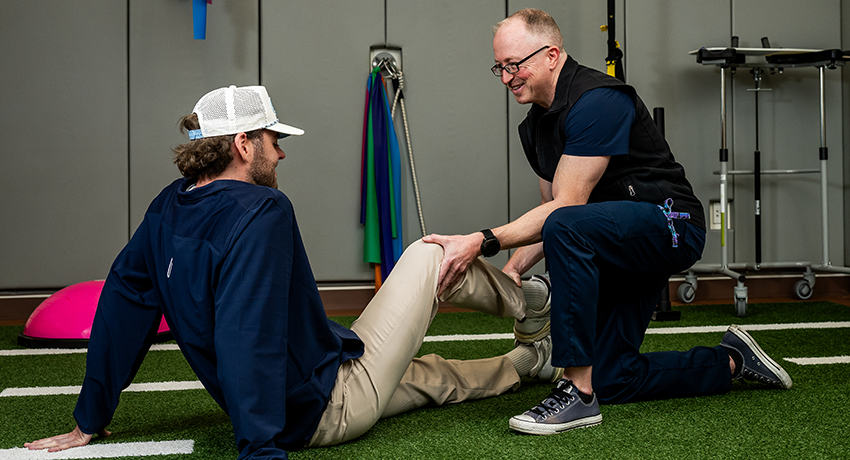
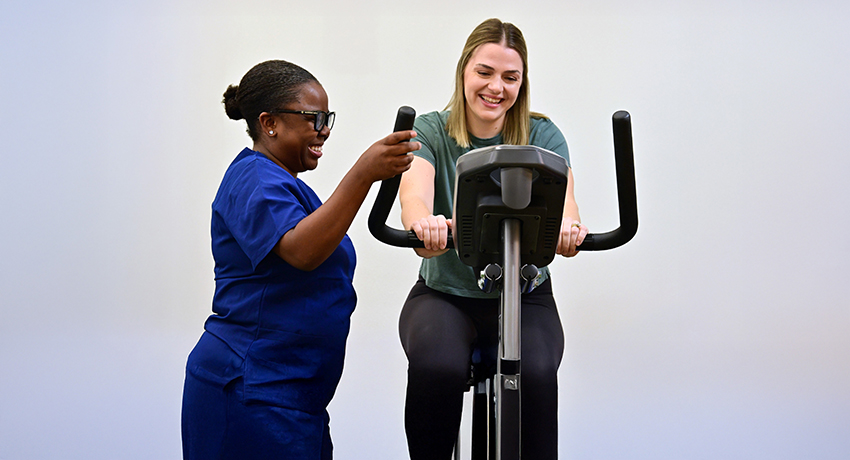
UTMB Health’s orthopedic hip care combines advanced diagnostics, innovative treatments, and expert surgical and non-surgical options to address a range of conditions. From arthritis and fractures to labral tears and joint degeneration, our specialists focus on relieving pain, restoring mobility, and helping you return to an active lifestyle. Personalized care plans ensure that you’ll receive the most effective approach, whether that’s physical therapy or total hip replacement.
Conditions We Treat
Degenerative Conditions
Avascular Necrosis
Overview:
Avascular necrosis (AVN), or osteonecrosis, occurs when blood supply to a bone is reduced or cut off, leading to bone tissue death. Over time, the bone weakens and may collapse, causing joint damage and pain. AVN most often affects the hip, knee, or shoulder and may result from injury, steroid use, or certain medical conditions.
Common Symptoms:
- Gradual onset of joint pain (hip, knee, shoulder)
- Pain that worsens with weight-bearing or movement
- Limited range of motion
- Swelling and stiffness
- Progression to severe arthritis or joint collapse
Treatments & Procedures:
- Medications for pain and inflammation
- Restricted weight-bearing with crutches or braces
- Physical therapy to preserve mobility
- Core decompression surgery to restore blood flow
- Bone grafting or joint replacement in advanced cases
- Hyperbaric oxygen treatment in some cases
Osteoarthritis of the Hip
Overview:
Osteoarthritis (OA) of the hip is a degenerative joint disease where the cartilage that cushions the hip joint gradually wears away. As the cartilage deteriorates, bones rub against each other, causing pain, stiffness, and reduced mobility. It typically develops with age but can be accelerated by injury or congenital abnormalities like hip dysplasia.
Symptoms:
- Groin or thigh pain
- Stiffness, especially in the morning or after inactivity
- Limited range of motion
- Difficulty walking or standing for long periods
- Clicking or grinding sensation in joint
Treatments & Procedures:
- Physical therapy to improve mobility and strengthen muscles
- NSAIDs to reduce pain and inflammation
- Activity modification to avoid aggravating motions
- Assistive devices like canes to offload joint
- Corticosteroid injections for temporary relief
- Hip replacement surgery in severe cases
Post-traumatic Hip Arthritis
Overview:
Post-traumatic arthritis develops after an injury to the hip joint, such as a fracture or dislocation. Trauma can damage the cartilage or cause instability, leading to inflammation, joint degeneration, and chronic pain over time. This form of arthritis may take months or years to develop after the initial injury and often affects younger individuals than typical osteoarthritis.
Symptoms:
- Persistent hip pain
- Stiffness and reduced range of motion
- Swelling around the hip
- Pain that worsens with activity
- Grinding or clicking sensation
Treatments & Procedures:
- Physical therapy to improve strength and flexibility
- Anti-inflammatory medications for pain and swelling
- Corticosteroid injections to reduce joint inflammation
- Avoiding high-impact activities
- Total hip replacement in advanced cases
Soft Tissue & Inflammatory Conditions
Gluteal Tendinitis
Overview:
Gluteal tendinitis involves inflammation or degeneration of the tendons attaching the gluteal muscles to the hip, commonly the gluteus medius or minimus. It is often caused by overuse, trauma, or biomechanical abnormalities, leading to lateral hip pain.
Symptoms:
- Lateral hip pain, especially with walking or climbing stairs
- Tenderness
- Pain when lying on affected side
- Weakness or difficulty with hip abduction
Treatments & Procedures:
- Activity modification and rest
- NSAIDs for pain and inflammation
- Physical therapy focusing on hip strengthening and flexibility
- Corticosteroid injections
- Platelet-rich plasma (PRP) therapy in some cases
- Surgery for refractory cases, such as tendon repair
Iliopsoas Bursitis
Overview:
Iliopsoas bursitis is inflammation of the iliopsoas bursa, a fluid-filled sac located near the front of the hip joint, beneath the iliopsoas muscle. This bursa cushions the iliopsoas muscle, reducing friction during hip movement. Iliopsoas bursitis often results from repetitive hip flexion activities, trauma, or underlying hip disorders.
Symptoms:
- Deep groin pain, often worsening with hip flexion
- Tenderness in the front of the hip
- Difficulty walking or rising from a seated position
- Possible snapping sensation in the hip
Treatments & Procedures:
- Rest and avoidance of aggravating activities
- NSAIDs for pain and inflammation
- Physical therapy targeting hip flexor flexibility and strength
- Ultrasound-guided corticosteroid injections
- Activity modification to reduce repetitive hip flexion
- Rarely, surgical intervention if conservative treatments fail
Snapping Hip Syndrome
Overview:
Snapping hip syndrome is characterized by an audible or palpable snapping sensation during hip movement. It can be caused by tendons snapping over bony prominences or intra-articular hip issues. This syndrome is common in athletes and dancers due to repetitive hip motions.
Symptoms:
- Snapping or popping sensation during hip movement
- Sometimes accompanied by pain or discomfort
- Tenderness over the affected tendon or hip area
- Possible inflammation or swelling
Treatments & Procedures:
- Rest and activity modification
- NSAIDs to reduce inflammation
- Physical therapy emphasizing stretching and strengthening of hip muscles
- Use of heat or ice therapy
- Corticosteroid injections for persistent inflammation
- Surgery in rare cases to release tight tendons or address underlying causes
Trochanteric Bursitis
Overview:
Trochanteric bursitis is inflammation of the small, fluid-filled sac (bursa) located over the greater trochanter of the femur. The bursa acts as a cushion between muscles and bone. This condition often results from repetitive stress, injury, or overuse, causing lateral hip pain and tenderness. It’s common in middle-aged and older adults and may be associated with other hip conditions.
Symptoms:
- Pain and tenderness on outer hip
- Pain worsens with walking, climbing stairs, or lying on affected side
- Swelling or warmth over bursa
- Difficulty sleeping on the affected side
Treatments & Procedures:
- Rest and activity modification
- Nonsteroidal anti-inflammatory drugs (NSAIDs)
- Physical therapy focusing on stretching and strengthening hip muscles
- Corticosteroid injections to reduce inflammation
- Ice therapy
- Surgery, in severe or chronic cases
Injuries & Trauma
Hip Dislocation
Overview:
A hip dislocation occurs when the ball of the femur is forced out of the hip socket, typically due to high-impact trauma like car accidents or sports injuries. It is a medical emergency that requires immediate attention to avoid long-term complications like nerve damage. The hip joint is a strong, stable ball-and-socket joint, so significant force is usually required to dislocate it.
Symptoms:
- Sudden, severe hip or groin pain
- Inability to move the leg or bear weight
- Visible deformity of the hip or leg (often rotated or shortened)
- Numbness or weakness (if nerves are affected)
- Muscle spasms around hip
Treatments & Procedures:
- Manipulation of hip back into place, often under sedation or anesthesia
- Surgery, if accompanied by fractures or soft tissue damage, or if hip can’t be reduced manually
- Crutches or braces to limit movement during healing
- Physical therapy to restore strength and motion, and prevent stiffness
- Pain management medication
Hip Flexor or Adductor Strains
Overview:
A hip flexor strain involves injury to the muscles that help lift the knee toward the body, such as the iliopsoas or rectus femoris. An adductor strain affects the inner thigh muscles that bring the legs together. These strains typically result from sudden acceleration, overstretching, or forceful kicking movements.
Symptoms:
- Pain in front of hip (hip flexor) or inner thigh/groin (adductor)
- Pain worsens with movement, especially kicking, sprinting, or changing direction
- Swelling or bruising
- Muscle tightness or spasms
- Difficulty lifting knee or bringing legs together
- Weakness in affected muscle group
Treatments & Procedures:
- Rest from aggravating activities
- Ice therapy in acute phase to reduce swelling
- Stretching and strengthening exercises
- Manual therapy for muscle tightness
- Anti-inflammatory medications as needed
- Compression wrap for support
- Return-to-play programs for athletes
Hip Fractures
Overview:
Hip fractures are serious injuries, especially common in older adults due to falls or weakened bones from osteoporosis. They involve a break in the upper portion of the femur and can severely limit mobility. In younger individuals, hip fractures usually result from high-energy trauma like car accidents.
Symptoms:
- Severe hip or groin pain
- Inability to bear weight on the affected leg
- Leg appears shortened and externally rotated
- Swelling or bruising
- Limited or painful range of motion
Treatments & Procedures:
- Physical therapy post-surgery to regain strength and mobility
- Pain management medication
- Fall prevention and bone health management
- Surgery, including internal fixation, partial hip replacement, or total hip replacement, depending on fracture type and patient’s age
Hip Muscle or Tendon Strains
Overview:
Muscle or tendon strains around the hip occur when fibers are overstretched or torn due to excessive force or overuse. Common in athletes and active individuals, these injuries can affect various muscles such as the hamstrings, quadriceps, or hip flexors. Strains are typically graded by severity, ranging from mild microtears to complete ruptures.
Symptoms:
- Sudden, sharp pain during activity
- Swelling or bruising at injury site
- Muscle weakness or tightness
- Pain with movement or stretching
- Tenderness to touch
- Limited range of motion
Treatments & Procedures:
- RICE protocol (rest, ice, compression, elevation)
- NSAIDs to manage pain and swelling
- Physical therapy for strengthening and flexibility
- Heat therapy after initial inflammation subsides
- Gradual return to activity to avoid re-injury
Stress Fractures of Femoral Neck
Overview:
Stress fractures of the femoral neck are small cracks in the bone that occur from repetitive stress rather than a single traumatic event. They are most common in athletes, military recruits, and individuals with low bone density. Overuse, poor biomechanics, and insufficient rest between activities contribute to their development. If left untreated, these fractures can progress and cause serious complications, sometimes requiring surgical stabilization.
Symptoms:
- Deep, aching groin or anterior hip pain
- Pain that worsens with weight-bearing or physical activity
- Relief with rest
- Limping or difficulty walking
- Possible swelling or tenderness in groin or upper thigh
- Limited hip range of motion
Treatments & Procedures:
- Rest and activity restriction
- Crutches or walker to prevent further stress
- Calcium and vitamin D supplementation for bone health
- Gradual return to activity under supervision
- Surgical fixation if fracture is displaced or high risk of progression
Structural & Mechanical Conditions
Femoracetabular Impingement (FAI)
Overview:
Femoracetabular impingement, or FAI, occurs when abnormal contact between the femoral head and the acetabulum causes joint damage. It is classified as cam, pincer, or mixed types. This condition can lead to hip pain, limited motion, and early arthritis, commonly affecting young and active individuals.
Symptoms:
- Deep groin pain aggravated by activity
- Stiffness and limited hip range of motion
- Clicking or locking sensations in the hip
- Pain during prolonged sitting or hip flexion
Treatments & Procedures:
- Activity modification and NSAIDs
- Physical therapy to improve hip mobility and strength
- Corticosteroid injections for inflammation relief
- Arthroscopic surgery to correct deformities and repair labral tears
- Hip replacement in severe arthritis cases
Hip Dysplasia
Overview:
Hip dysplasia is a condition where the hip socket is too shallow or misshapen, causing the thigh bone to not fit securely. This leads to hip instability, pain, and limited movement. It can be present from birth or develop later, increasing the risk of joint damage and arthritis if untreated. Early diagnosis improves outcomes.
Symptoms:
- Hip pain or discomfort
- Limping or difficulty walking in children
- Feeling of instability or limited range of motion
- Early onset arthritis symptoms in adults
Treatments & Procedures:
- Observation and physical therapy for mild cases
- Use of braces or harnesses in infants
- Surgical interventions such as periacetabular osteotomy or hip replacement in adults with advanced damage
- Pain management and activity modification
Hip Instability
Overview:
Hip instability occurs when the hip joint can’t maintain proper alignment due to weakened or damaged ligaments, muscles, or cartilage. This causes the hip to feel loose, slip, or give way, leading to pain and difficulty with movement. It can result from injury, congenital issues like hip dysplasia, or ligament laxity from conditions or overuse.
Symptoms:
- Sensation of the hip “giving way” or feeling unstable
- Hip pain, especially with activity
- Clicking or popping sensations
- Decreased range of motion or weakness
Treatments & Procedures:
- Physical therapy to strengthen surrounding muscles
- Activity modification to avoid provocative movements
- Bracing or assistive devices in some cases
- Surgical stabilization procedures, such as capsular plication, for severe instability
Services & Procedures
We've highlighted some of the most common services—please explore the conditions list for treatments by condition.
Computer-Navigated Total Hip & Knee Replacement
Overview:
Computer-navigated total hip and knee replacement, including robotic-assisted, is an advanced surgical technique that uses specialized computer technology to guide implant positioning with greater accuracy. Real-time data helps the surgeon align components precisely, improving joint function, balance, and longevity of the replacement. This approach can reduce complications, enhance recovery, and provide more consistent outcomes compared to traditional methods of hip and knee joint replacement.
Conditions Treated:
- Osteoarthritis
- Rheumatoid arthritis and other inflammatory arthropathies
- Post-traumatic arthritis
- Avascular necrosis of the hip
- Hip dysplasia leading to joint damage
- Severe joint deformities or misalignment
- Failed previous joint replacement
Before the Procedure:
- Comprehensive evaluation, including physical exam, imaging, and lab tests
- Pre-surgical planning using computer navigation to map joint alignment
- Instructions on medications, diet, and physical preparation
- Education on hospital stay, recovery, and rehabilitation
After the Procedure:
- Hospital stay or same-day discharge, depending on health and procedure
- Pain management, wound care, and early movement guided by your care team
- Physical therapy to restore strength, mobility, and balance
- Gradual return to normal activities over several weeks to months
- Follow-up visits to monitor healing and implant function
Revision Total Hip & Knee Replacement
Overview:
Revision total hip and knee replacement is a surgical procedure performed when a previous joint replacement wears out, loosens, or develops complications such as infection, instability, or bone loss. Using specialized techniques and implants, surgeons remove the damaged prosthesis and replace it with new components. This complex surgery restores stability, reduces pain, and improves mobility in patients who require a second joint replacement.
Conditions Treated:
- Implant loosening or wear
- Periprosthetic joint infection
- Instability or dislocation
- Periprosthetic fracture
- Severe bone loss
- Persistent pain or stiffness
- Failed or broken implant
- Allergic reaction to implant materials
Before the Procedure:
- Thorough evaluation with imaging, lab tests, and possible joint aspiration to check for infection
- Detailed surgical planning, often with specialized implants or bone grafts
- Review of medical history and medications, with adjustments as needed
- Pre-surgery counseling on risks, recovery, and expected outcomes
- Instructions on preparing for hospital stay and rehabilitation
After the Procedure:
- Hospital stay is often longer than initial joint replacement due to the complexity of surgery
- Pain management, antibiotics (if infection was involved), and close monitoring
- Use of walking aids and physical therapy to gradually restore movement and strength
- Activity restrictions may be stricter at first, progressing as healing allows
- Regular follow-up appointments with imaging to ensure implant stability and healing
Can’t find what you're looking for? Contact the care team at the clinic for assistance.
Your Care Team
Each provider may treat different conditions. Click on a profile to see their areas of specialty.

Frequently Asked Questions
-
What are the most common causes of hip pain?
Hip pain can result from arthritis, bursitis, tendon injuries, labral tears, femoroacetabular impingement (FAI), hip dysplasia, fractures, or soft tissue inflammation. Overuse, trauma, age-related degeneration, and structural abnormalities often contribute. -
When should I see an orthopedic specialist for hip pain?
You should consult an orthopedic specialist if your hip pain is persistent, worsens with activity or rest, interferes with daily activities, or is accompanied by clicking, locking, instability, or limited movement. -
What hip conditions can be treated with physical therapy?
Conditions such as hip bursitis, tendonitis, muscle strains, mild hip dysplasia, and early-stage arthritis can often be improved with physical therapy focusing on strength, flexibility, and posture correction. -
How long does it take to recover after hip surgery?
Recovery varies by procedure. Arthroscopic surgeries may take 6–12 weeks, while total hip replacements can take 3–6 months for full recovery. Physical therapy plays a key role in regaining strength and mobility.
Visit the Joint Surgery & Reconstruction page to learn more about arthroscopic surgery.
-
What’s the difference between hip replacement and hip reconstruction?
Hip replacement is surgery that removes a damaged hip joint and replaces it with artificial parts to relieve pain and restore movement. Hip reconstruction repairs, reshapes, or rebuilds the hip, often preserving more of the natural bone. Reconstruction is usually done for younger patients or those with deformities, fractures, or hip dysplasia. In short, replacement swaps the joint, while reconstruction restores or fixes it.
All Orthopedic Specialties
Our Locations
- 2309 West Mulberry Street
- M–F: 8 a.m.–5 p.m. and Friday 8 a.m.–12:00 p.m.
- (979) 849-9557
- (979) 849-0789
- Website
- 250 Blossom Street
Suite 110 - M–F: 8 a.m.–5 p.m.
- (832) 505-1200
- (832) 632-7866
- Website
- 2240 Gulf Freeway South
- M–F: 8 a.m.–5 p.m.
- (832) 505-1200
- (281) 309-0137
- Website