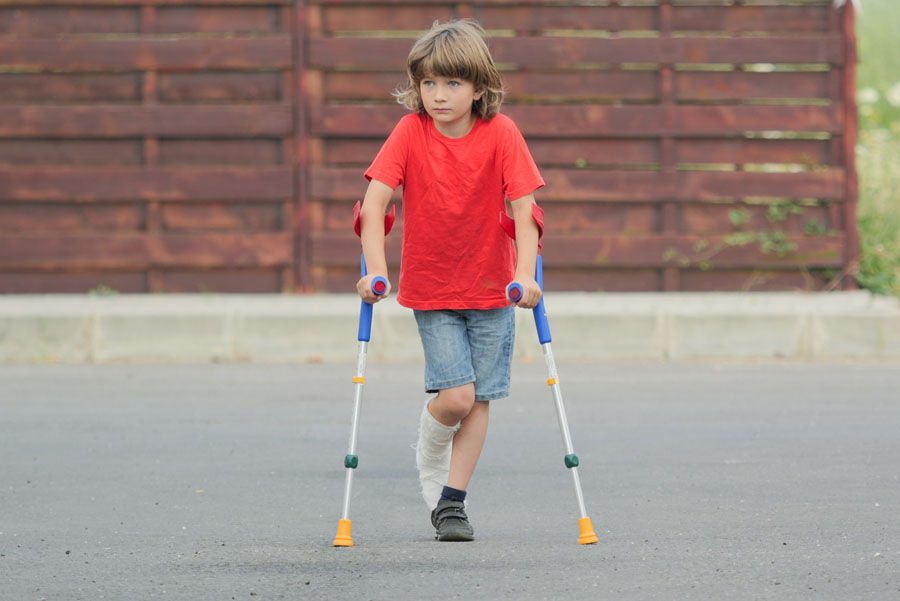
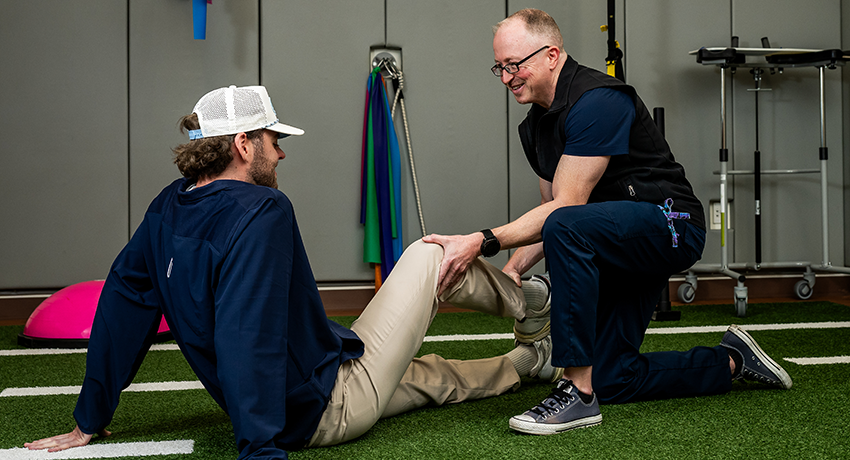
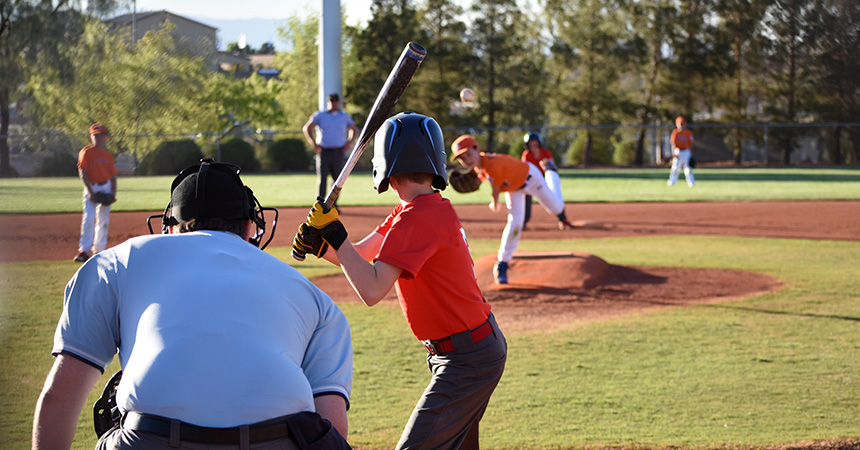
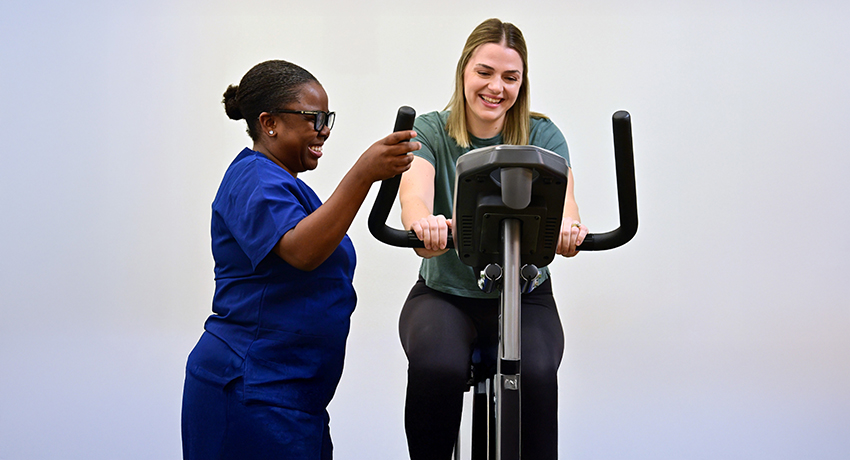
At UTMB Health, our pediatric orthopedic specialists provide expert, compassionate care for children with bone, joint, or muscle conditions, from birth through adolescence. Whether it’s a sports injury, a fracture, or a complex growth or development issue, we offer advanced diagnosis and treatment tailored to young patients. Our team is dedicated to helping you child heal, grow, and stay active at every stage of life.
Conditions We Treat
Congenital Conditions
Clubfoot
Overview:
Clubfoot is a congenital condition where a baby is born with one or both feet twisted inward and downward. The tendons and muscles are shorter or tighter than normal, causing the abnormal position. It is not painful at birth, but if left untreated, it can lead to long-term mobility issues. Clubfoot is common and highly treatable, especially when care begins shortly after birth.
Symptoms:
- Foot turned inward and downward
- A deep crease on bottom of foot
- Calf muscle on affected leg may be smaller
- Foot and leg may appear shorter
- Limited range of motion in foot or ankle
- Pain and walking problems, if not treated early
Treatments & Procedures:
- Ponseti method: Series of gentle stretches and castings over several weeks, Achilles tendon release, and use of brace to prevent recurrence
- Physical therapy: Stretching and strengthening exercises to maintain flexibility
- Surgery (in severe or resistant cases): To lengthen tendons or correct joint positions if non-surgical methods don’t fully work
Congenital Hand Deformities
Overview:
A congenital hand deformity is a structural abnormality of the hand or fingers that is present at birth. These deformities occur during fetal development and can affect bones, joints, muscles, tendons, or skin. Causes may include genetic factors, syndromes, or unknown disruptions during limb formation in the womb. These conditions can affect hand function, appearance, and development.
Symptoms:
- Unusually shaped or positioned fingers or hand
- Missing or extra fingers (polydactyly)
- Webbed or fused fingers (syndactyly)
- Limited range of motion or stiffness
- Weak grip or reduced hand function
- Delayed developmental use of hand (in infants and toddlers)
- Cosmetic differences in hand appearance
Treatments & Procedures:
- Surgical correction, which may involve separating fused fingers, removing extra digits, or reconstructing underdeveloped structures
- Prosthetics, in cases of severe deformities or missing limbs
- Ongoing follow-up of hand growth and function, especially during developmental milestones
Congenital Limb Deficiencies
Overview:
Congenital limb deficiencies are conditions in which a baby is born with a missing or underdeveloped arm, leg, hand, or foot. These differences can range from partial absence of a limb to complete absence and may affect one or more limbs. They result from disruptions during fetal development, though the exact cause is often unknown. Early diagnosis and intervention help children achieve independence and mobility as they grow.
Symptoms:
- Missing part or all of a limb at birth
- Shortened or unusually shaped limb
- Underdeveloped bones or joints
- Limited movement or strength in affected area
- Differences in limb length or size
- Difficulty with mobility or performing age-appropriate activities
Treatments & Procedures:
- Prosthetics: Custom-designed limbs to improve mobility and function
- Physical and occupational therapy: To develop strength, balance, coordination, and adaptive skills
- Surgical options: To correct deformities, improve function, or prepare limb for prosthetic use
- Orthotic devices: Braces or supports to assist with movement
- Limb-lengthening procedures: In select cases, to address significant length differences
- Emotional and developmental support: Counseling and social support for children and families
Torticollis
Overview:
Torticollis, also known as “twisted neck” or “wry neck,” is a condition where the neck muscles are tight or shortened, causing the head to tilt to one side and rotate to the other. In infants, it is usually congenital and noticed shortly after birth. Torticollis can affect head movement and posture, but with early treatment, most children recover fully without long-term issues.
Symptoms:
- Head tilted to one side with chin turned to opposite side
- Limited range of motion in neck
- A firm lump or tightness in neck muscle
- Flattening of one side of head
- Difficulty turning head or looking in both directions
- Preference for breastfeeding on one side
- Asymmetrical facial features in more severe or untreated cases
Treatment/procedure options:
- Physical therapy: Stretching and strengthening exercises to improve neck mobility and muscle balance
- Positioning techniques: Encouraging head turning and movement in both directions during play and feeding
- Tummy time: To strengthen neck and shoulder muscles and reduce head flattening
- Parental education: On how to handle, hold, and position the baby to support recovery
- Helmet therapy: In some cases of associated plagiocephaly
- Surgical release: Rare, used only when conservative treatments are ineffective after a year or more
Growth & Developmental Disorders
Bowlegs
Overview:
Bowlegs is a condition where the legs curve outward at the knees, creating a gap between the knees when the feet are together. It is common in infants and toddlers as part of normal development and usually resolves on its own by age 2 or 3. Persistent or severe bowlegs may indicate an underlying problem such as rickets or Blount’s disease.
Symptoms:
- Knees stay apart while ankles are together when standing
- Legs form an “O” shape
- Uneven or waddling walk
- Possible knee or hip discomfort
- Visible leg curvature that doesn't improve with age
- In severe cases, limping or difficulty with movement
Treatments & Procedures:
- Observation: Most young children outgrow bowlegs naturally
- Nutritional supplements: If caused by rickets (e.g., vitamin D or calcium)
- Bracing: To guide bone growth in children with underlying conditions like Blount’s disease
- Physical therapy: To improve muscle strength and coordination
- Surgery: May be necessary for severe or persistent cases in older children or adults
Developmental Dysplasia of the Hip (DDH)
Overview:
Developmental dysplasia of the hip (DDH) is a condition in which a baby’s hip joint does not form properly. The ball at the top of the thigh bone (femoral head) does not fit securely into the hip socket. This can range from a loose joint to a fully dislocated hip. DDH can affect one or both hips and is most often present at birth, but may develop in early infancy.
Symptoms:
- Uneven leg lengths
- Asymmetrical thigh or buttock folds
- Limited movement or stiffness in one leg
- A “clicking” or “popping” sound during diaper changes
- Limping or toe walking (in walking-age children)
- Delayed walking or waddling gait (in untreated cases)
Treatments & Procedures:
- Soft brace holds hips in proper position to encourage development (Pavlik harness)
- Closed reduction with casting
- Open reduction surgery, if non-surgical methods don’t work
- Spica cast
- Physical therapy to restore motion and strength
- Regular follow-ups
Flat Feet
Overview:
Flat feet, also called fallen arches, is a condition where the arches of the feet are low or completely collapsed, causing the entire sole to touch the ground when standing. This can lead to uneven weight distribution and strain on the feet, ankles, and legs. Flat feet may be present from childhood or develop over time due to injury, aging, or conditions like arthritis.
Symptoms:
- Pain or aching in arch, heel, or ankle
- Swelling along inside of foot or ankle
- Feet that tire easily during activity or standing
- Difficulty standing on tiptoes
- Feet roll inward excessively when walking (overpronation)
- Uneven wear on shoes due to abnormal foot mechanics
- Stiffness or limited foot movement
- Back, knee, or hip pain caused by altered walking patterns
Treatments & Procedures:
- Shoes with good arch support and cushioning to help reduce strain on feet
- Custom orthotics to provide extra support and correct abnormal foot mechanics
- Exercises to strengthen foot and leg muscles, improve flexibility, and enhance balance
- Replacing high-impact activities with low-impact exercises like swimming or cycling
- Over-the-counter pain relievers or anti-inflammatory drugs
- Maintaining a healthy weight to reduce stress on feet
- Surgery to correct structural problems or relieve pain, when conservative treatments don’t help
Knock Knees
Overview:
Knock knees is a condition where the knees angle inward and touch or nearly touch when a person stands with their feet apart. It’s common in children between ages 3 and 7 and often corrects itself with growth. In some cases, knock knees can persist or be caused by underlying conditions such as bone disease or injury.
Symptoms:
- Knees touch while ankles remain apart when standing
- Legs form an “X” shape
- Difficulty walking or running normally
- Tripping or clumsiness
- Knee pain (in some cases)
- Uneven wear on shoes
Treatments & Procedures:
- Observation: Most cases in children improve naturally with age
- Physical therapy: To strengthen leg muscles and improve alignment
- Orthotic devices or braces: Used in some growing children to guide bone development
- Treatment of underlying conditions: If knock knees are caused by rickets, injury, or bone disorders
- Surgery: Rarely needed, but may be considered in older children or adults with severe deformity or pain
Leg Length Discrepancy
Overview:
Leg length discrepancy (LLD) is a condition in which one leg is shorter than the other. The difference may be small and barely noticeable, or more significant and cause visible changes in posture and movement. This condition can be caused by differences in bone length or by muscle imbalances, joint issues, or posture problems that make one leg appear shorter. LLD can be present at birth or develop later due to injury, surgery, infection, or medical conditions like scoliosis or hip disorders.
Symptoms:
- Visible uneven hips or shoulders
- Limping or altered gait
- Pain in hips, knees, or lower back
Treatments & Procedures:
- Shoe lifts or orthotics to balance leg length
- Physical therapy to improve gait mechanics
- Surgery, in significant cases, to lengthen or shorten a leg
Slipped Hip
Overview:
A slipped hip, also known as capital femoral epiphysis (SCFE), is a condition where the head of the thigh bone slips off the neck at the growth plate in the hip joint. It typically affects children and teens during growth spurts, especially those who are overweight or have hormonal imbalances. SCFE requires prompt treatment to prevent long-term joint damage.
Symptoms:
- Limping or difficulty walking
- Pain in the hip, groin, thigh, or knee
- Stiffness or decreased range of motion in hip
- One leg appears shorter or turned outward
- Pain that worsens with activity
- Sudden worsening of symptoms in severe cases
Treatments & Procedures:
- Surgery
- Non-weight-bearing before surgery
- Physical therapy, after surgery to restore strength and mobility
- Follow-up monitoring
- Treatment of underlying conditions
Infectious & Inflammatory Conditions
Irritable Hip
Overview:
Irritable hip, also called transient synovitis, is a temporary inflammation of the hip joint that commonly affects young children. It usually follows a minor viral infection or injury and causes hip pain and limping. The condition is typically harmless and resolves on its own within a few weeks with proper rest and care.
Symptoms:
- Sudden onset of hip or groin pain
- Limping or refusal to walk or put weight on leg
- Limited range of motion in hip
- Mild fever
- Pain that worsens with activity and improves with rest
- Child may hold hip in a slightly bent or turned position
Treatments & Procedures:
- Rest and limited weight-bearing to reduce irritation in hip joint
- Over-the-counter pain medications
- Cold compresses to ease pain and inflammation
- Observation
- Follow-up to rule out more serious conditions
Osteomyelitis
Overview:
Osteomyelitis is an infection of the bone, usually caused by bacteria, but sometimes by fungi. It can occur after an injury, surgery, or spread through the bloodstream from another infection site. Osteomyelitis can affect any bone but is most common in the long bones of children and the spine or pelvis in adults. If untreated, it can cause bone destruction and serious complications.
Symptoms:
- Localized bone pain and tenderness
- Swelling, redness, and warmth over affected area
- Fever and chills
- Fatigue or general feeling of illness
- Limited movement or difficulty using affected limb
- Drainage of pus if infection breaks through skin
- In chronic cases, persistent or recurring symptoms
Treatments & Procedures:
- Antibiotic therapy
- Surgical removal of infected or dead bone tissue if needed
- Pain management medications
- Using splints or casts to reduce movement and promote healing
- Monitoring and managing any complications
- Long-term follow-up to ensure infection has cleared and bone is healing properly
Septic Arthritis
Overview:
Septic arthritis is a serious infection in a joint caused by bacteria, viruses, or fungi. It leads to inflammation, pain, and swelling in the affected joint. This condition can develop quickly and cause joint damage if not treated promptly. It most commonly affects the knees, hips, or shoulders but can involve any joint.
Symptoms:
- Severe joint pain and tenderness
- Swelling and warmth over joint
- Redness around joint
- Fever and chills
- Limited range of motion or inability to move joint
- General feeling of illness or fatigue
- Joint stiffness
Treatments & Procedures:
- Antibiotic therapy to fight infection
- Removing infected fluid from joint via needle aspiration or surgery
- Pain management medications
- Temporary splinting or rest of joint during initial treatment
- Physical therapy to restore joint function after infection is controlled
- Close monitoring to ensure infection is cleared and prevent complications
Traumatic & Overuse Injuries
Dislocations
Overview:
A dislocation occurs when one or more of the bones are forced out of their normal position at a joint, often due to trauma such as a fall, sports injury, or direct blow. This injury disrupts the alignment of the joint and can damage surrounding ligaments, tendons, and nerves. It most commonly affects individuals involved in high-risk activities or occupations and older adults who are more prone to falls. Dislocations can occur in almost any body joint, but the most affected ones are the shoulder, finger, knee, elbows, hip, and jaw joints.
Symptoms:
- Intense pain at time of injury
- Visible deformity or misalignment of joint
- Swelling and bruising
- Inability to move affected joint
- Numbness or tingling (if nerves are compressed)
Treatments & Procedures:
- Manual repositioning of dislocated joint under local or general anesthesia
- A splint or cast to allow ligaments and soft tissues to heal
- Surgery, if dislocation is complex, unstable, or involves fractures
- Physical therapy to help restore strength, mobility, and joint function after immobilization or surgery
- NSAIDs and ice to reduce pain and inflammation
Fractures
Overview:
A fracture involves a break or crack in any bone in the body. These injuries are often caused by falls, direct impacts, sports injuries, and other traumatic injuries. Fractures can range from small hairline cracks to more severe breaks that shift the bone out of alignment or break it into multiple pieces. Anyone of any age can sustain a bone fractur, but they are especially common in children and older adults.
Symptoms:
- Sudden pain at time of injury
- Swelling and bruising
- Deformity or crooked appearance of affected limb
- Difficulty moving affected limb
- Tenderness at site of injury
Treatment/procedure options:
- Splinting or casting for immobilization
- Manually aligning bones without surgery
- OTC or prescription pain medications to ease discomfort
- Surgical fixation to stabilize complex fractures
- Physical therapy to restore strength and motion after immobilization
Little League Elbow
Overview:
Little League elbow is an overuse injury that affects the growth plate on the inner part of a young athlete’s elbow. It’s most common in children and adolescents who play baseball, especially pitchers, due to repetitive throwing motions. The condition results from stress on the growth plate where tendons attach. If not treated early, it can lead to long-term elbow problems or deformity.
Symptoms:
- Pain on inside of elbow
- Swelling or tenderness around elbow joint
- Decreased range of motion, especially when straightening arm
- Stiffness or a “locking” sensation in elbow
- Weakness or reduced throwing speed or accuracy
- Pain that worsens with activity and improves with rest
Treatments & Procedures:
- Rest and activity modification until symptoms resolve
- Ice therapy to reduce pain and swelling
- Anti-inflammatory medications for pain management
- Physical therapy to improve strength, flexibility, and throwing mechanics
- Gradual return-to-play program, under medical supervision
- Surgical intervention in severe cases with bone or ligament damage
Little League Shoulder
Overview:
Little League shoulder is an overuse injury that affects the growth plate at the top of the upper arm bone, near the shoulder. It most commonly occurs in young baseball players, especially pitchers, due to repetitive overhead throwing. The stress from repeated motion causes inflammation and irritation of the growth plate. With early diagnosis and proper rest, young athletes typically recover fully and return to play safely.
Symptoms:
- Pain in shoulder, especially during or after throwing
- Decreased throwing speed or accuracy
- Shoulder weakness or fatigue
- Tenderness near top of upper arm
- Swelling or discomfort when lifting arm
- Limited range of motion in shoulder
- Pain that improves with rest
Treatments & Procedures:
- Rest and stop throwing to allow growth plate to heal
- Ice therapy to reduce inflammation and relieve pain
- Anti-inflammatory medications
- Physical therapy to restore strength, shoulder stability, and proper mechanics
- Gradual return-to-throwing program
- Education and prevention
Osgood-Schlatter Disease
Overview:
Osgood-Schlatter disease is a common cause of knee pain in growing adolescents, especially those active in running or jumping sports. It occurs when the tendon connecting the kneecap pulls repeatedly on the growth plate at the top of the shinbone, causing inflammation and pain. The condition is self-limiting and typically improves as the growth plates close with age.
Symptoms:
- Pain and tenderness just below kneecap
- Swelling or a bony bump below kneecap
- Pain that worsens with activity, especially running, jumping, or kneeling
- Tightness in thigh muscles
- Stiffness or discomfort after exercise
- Relief of pain with rest
Treatments & Procedures:
- Avoid activities that worsen pain
- Ice therapy to reduce swelling and relieve discomfort
- Anti-inflammatory medications to reduce pain and inflammation
- Stretching and strengthening exercises to reduce tension on tendon
- Knee pads or braces
- Physical therapy for persistent symptoms or to improve muscle balance
Sprains and Strains
Overview:
Sprains and strains are common soft tissue injuries that affect the muscles, tendons, and ligaments of the body. A sprain involves the overstretching or tearing of ligaments, which are the tough bands of tissue that connect bones at a joint. A strain, on the other hand, involves injury to a muscle or tendon, the fibrous tissue that connects muscle to bone. Both injuries often occur during sports, physical activity, or accidents that force a joint or muscle beyond its normal range of motion.
Sprain Symptoms:
- Pain around affected joint
- Swelling
- Bruising or discoloration
- Limited ability to move joint
- A “popping” sound or sensation at time of injury
- Joint instability (in more severe sprains)
Strain Symptoms:
- Pain in the affected muscle or tendon
- Muscle spasms or cramping
- Swelling
- Limited range of motion
- Muscle weakness
- Possible bruising
Treatment/procedure options:
- Avoiding activities that worsen the injury
- Applying cold packs to reduce swelling and pain
- Using an elastic bandage to control swelling
- Raising injured area above heart level
- Over-the-counter pain relievers
- Immobilization via splint, brace, or sling
- Exercises to restore strength and mobility
- Heat therapy after swelling decreases to relax muscles
Stress Fractures
Overview:
A stress fracture is a small crack or severe bruise within a bone, typically caused by repetitive stress or overuse over time, as opposed to a single injury. It's a common overuse injury, especially in weight-bearing bones like those in the foot or lower leg. Runners, dancers, and military personnel often experience these fractures.
Symptoms:
- Gradual onset of activity-related pain
- Localized tenderness
- Mild swelling
- Changes in gait
- Bruising
Treatments & Procedures:
- Avoiding high-impact activities
- Boot or brace if needed
- Gradual strength and mobility training
- Controlled return to activity to prevent recurrence
Neuromuscular & Systemic Conditions
Cerebral Palsy
Overview:
Cerebral palsy (CP) is a group of neurological conditions that affect movement, muscle tone, and coordination. It is caused by abnormal brain development or damage to the developing brain, most often before, during, or shortly after birth.
CP is a lifelong condition, but its effects vary widely. Some people have mild movement challenges, while others may experience more significant physical or developmental needs. With the right care and support, many individuals with cerebral palsy can improve function and quality of life.
Common Symptoms:
- Muscle stiffness (spasticity) or low muscle tone
- Delayed motor milestones, such as sitting or walking
- Difficulty with balance, coordination, or walking
- Seizures or developmental delays in some individuals
Treatments/Procedures:
Treatment focuses on improving movement, independence, and overall well-being. Care plans are tailored to each person’s needs and may include:
- Neurology care: Ongoing monitoring and care planning, including Botox injections for muscle spasticity
- Physical therapy: Improves strength, flexibility, balance, and movement skills
- Occupational therapy: Supports daily activities such as dressing, feeding, and writing
- Speech and language therapy: Helps with communication and swallowing challenges
- Medications: Used to manage muscle stiffness, seizures, or pain
- Orthopedic care: Braces, orthotics, or surgery to address muscle or bone problems
- Assistive devices: Walkers, wheelchairs, or communication aids
- Educational and developmental support: Individualized programs to support learning and development
- Surgical options: Considered for severe spasticity or complex musculoskeletal issues
Digital Clubbing
Overview:
Digital clubbing is a physical condition in which the fingertips and nails change shape. The nails curve downward, and the ends of the fingers or toes enlarge, resembling clubs. This condition isn't a disease itself but often indicates an underlying medical issue, frequently related to the heart, lungs, or liver. It develops over time due to increased soft tissue and blood flow at the nail bed.
Symptoms:
- Enlarged, bulbous fingertips or toes
- Nails that curve downward more than usual (“spoon-shaped” or “drumstick” appearance)
- Softening of nail beds
- Increased angle between nail and nail fold
- Thickened or widened fingertips
- Sometimes, nails feel spongy or floating when pressed
Treatments & Procedures:
- Address underlying cause
- Medications or therapies
- Surgery
- Regular monitoring
- Supportive care
Muscular Dystrophy
Overview:
Muscular dystrophy (MD) is a group of genetic disorders that cause progressive muscle weakness and loss of muscle mass over time. It occurs when abnormal genes interfere with the production of proteins needed to build and maintain healthy muscles. MD primarily affects boys and can vary in severity, with some types appearing in early childhood. While there is no cure, treatment can help manage symptoms and improve quality of life.
Symptoms:
- Muscle weakness that worsens over time
- Trouble walking or frequent falls
- Difficulty climbing stairs or getting up from floor
- Enlarged calf muscles
- Walking on toes or waddling gait
- Delayed motor milestones
- Fatigue with physical activity
- Breathing or heart problems
Treatments/Procedures:
- Physical therapy to help maintain strength, flexibility, and range of motion
- Occupational therapy to support daily activities, independence, and adaptive strategies
- Respiratory therapy to monitor and support lung function, especially as the condition progresses
- Medications such as corticosteroids to slow muscle damage, along with heart or lung medications when needed
- Braces and mobility aids including leg braces, walkers, wheelchairs, and other assistive devices
- Surgical interventions to address complications such as joint contractures or scoliosis
- Regular monitoring of heart, lung, and muscle function through ongoing evaluations
- Neurology-led care coordination to manage care across specialties and adjust treatment over time
- Genetic counseling to support family planning and understanding inherited risk
- Clinical trials that may provide access to emerging therapies and new treatment options
Spina Bifida
Overview:
Spina bifida is a birth defect that occurs when the spine and spinal cord don’t develop properly during early pregnancy. It’s a type of neural tube defect that can range from mild to severe, depending on the size and location of the opening in the spine. In more serious forms, it can lead to physical and neurological challenges. Early diagnosis and ongoing care can help manage symptoms and improve function.
Symptoms:
- A visible sac or opening on back (in severe cases)
- Weakness or paralysis in legs
- Difficulty walking or need for mobility aids
- Loss of bladder or bowel control
- Curved spine (scoliosis)
- Fluid buildup in the brain
- Learning difficulties
- Skin sensitivity or orthopedic problems
Treatments/Procedures:
- Surgery to close spinal opening (after birth or during pregnancy)
- Shunt placement for fluid buildup in brain
- Physical and occupational therapy to improve strength and daily skills
- Mobility support, such as braces, walkers, or wheelchairs
- Bladder and bowel care, including medications or catheter use
- Ongoing checkups with specialists for movement, growth, and learning
Tumors
Benign Bone Tumors
Overview:
Benign bone tumors are non-cancerous growths that develop in or on bones. They are usually slow-growing and do not spread to other parts of the body. Many benign bone tumors cause no symptoms and are often found incidentally during imaging for other reasons. While typically harmless, some may cause pain, swelling, or weaken the bone, requiring monitoring or treatment.
Symptoms:
- Localized bone pain or tenderness
- Swelling or a noticeable lump near bone
- Bone weakness or fractures with minimal injury
- Limited movement if tumor is near a joint
- Often no symptoms and found incidentally
Treatments & Procedures:
- Observation and monitoring to watch for changes in size or symptoms
- Pain management medication
- Surgical removal, if tumor causes pain, affects bone strength, or limits function
- Bone grafting or stabilization to repair bone defects after tumor removal
- Physical therapy to restore movement and strength after treatment
Malignant Bone Tumors
Overview:
Malignant bone tumors are cancerous growths that originate in bone tissue or spread to bones from other parts of the body. They can grow rapidly, invade surrounding tissues, and metastasize to distant sites. The most common primary types include osteosarcoma, Ewing sarcoma, and chondrosarcoma. Early detection and treatment are critical to improve outcomes and preserve limb function.
Symptoms:
- Persistent bone pain, often worsening at night
- Swelling or a palpable mass over the bone
- Unexplained fractures with minimal trauma
- Redness or warmth around tumor site
- Reduced joint movement if near a joint
- Unintended weight loss or fatigue
Treatments & Procedures:
- Surgery
- Chemotherapy
- Radiation therapy
- Bone grafts, prosthetic implants, and physical therapy to restore function
- Targeted therapies or immunotherapy
- Long-term follow-up
Can’t find what you're looking for? Contact the care team at the clinic for assistance.
Your Care Team
Each provider may treat different conditions. Click on a profile to see their areas of specialty.

Frequently Asked Questions
-
When should I have my child’s gait or leg alignment evaluated?
If you notice persistent limping, one leg turning in or out, bowlegs/knock-knees beyond toddler years, or frequent tripping, schedule an evaluation. -
How are broken bones treated differently in kids, compared to adults?
Children’s bones heal faster and can remodel. We often use casting or splinting rather than surgery, unless the break is severe or involves the growth plate. -
What is the Pavlik harness, and why might my baby need one?
The Pavlik harness is a soft brace used in infants with hip dysplasia. It holds the hip in the correct position to allow the socket to form properly. -
How can I prevent overuse injuries in young athletes?
Ensure proper technique, enforce age-appropriate pitch/playing limits, schedule rest days, and encourage cross-training rather than year-round single-sport play. -
When will my child outgrow flat feet?
Most toddlers have flexible flat feet that improve by age 5–6. Persistent pain, stiffness, or walking difficulties warrant an orthotics assessment. -
Do you offer minimally invasive surgery for pediatric conditions?
Yes. Where appropriate, we use arthroscopy and small-incision techniques to reduce pain, speed recovery, and minimize scarring.
All Orthopedic Specialties
Our Locations
- 2309 West Mulberry Street
- M–F: 8 a.m.–5 p.m. and Friday 8 a.m.–12:00 p.m.
- (979) 849-9557
- (979) 849-0789
- Website
- 2240 Gulf Freeway South
- M–F: 8 a.m.–5 p.m.
- (832) 505-1200
- (281) 309-0137
- Website
- 400 Harborside Drive
Suite 109, Entrance A - M–F: 8 a.m.–5 p.m.
- Adult & Pediatric
- (409) 266-7846
- (409) 772-5890
- Website