Eye, Ear, Nose & Throat Care

See well. Hear well. Live fully.

 (800) 917-8906

Caring for the senses that connect you to the world

Everyday moments depend on healthy eyes, ears, nose, and throat, from seeing clearly and hearing well to breathing comfortably and speaking with ease. UTMB Health provides comprehensive care across these specialties, combining advanced technology with compassionate, academic-based medicine. Patients of all ages receive personalized treatment focused on long-term function, comfort, and quality of life at our extensive network of clinics.

All Eye, Ear, Nose & Throat Care Services

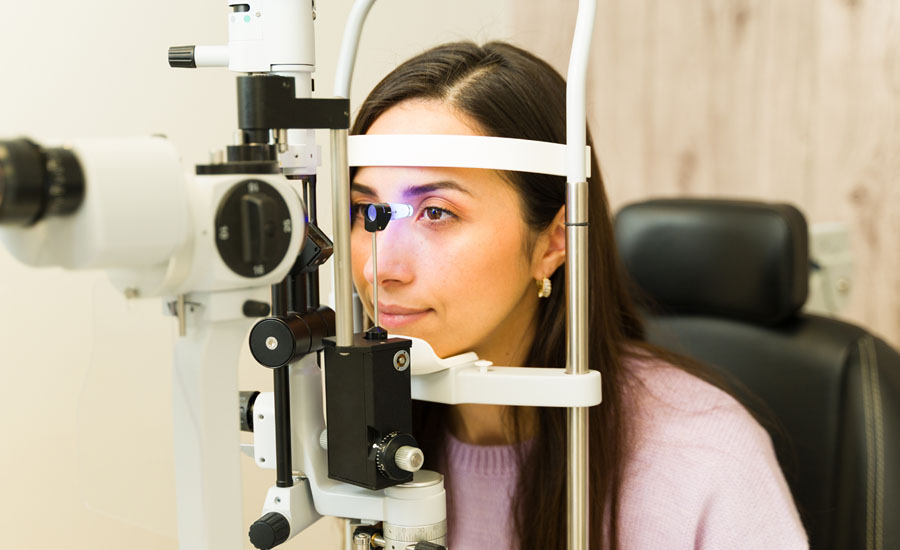
Seated young woman getting professional eye exam with a slit lamp by an ophthalmologist, checking vision

Female doctor, otolaryngologist, conducting hearing test on elderly man in office

  • Head & Neck Care

    Head & Neck Care

    The head and neck contain vital structures that can be affected by tumors, cancer, complex disorders, and other conditions. At UTMB Health, our specialists deliver advanced, coordinated care for conditions involving the face and jaw as well as the throat and neck to help you look and feel your best.

Female doctor using ultrasound scanning machine to examine a female patient’s head

 Frequently Asked Questions

  • What conditions do ENT specialists treat?

    ENT specialists diagnose and treat disorders affecting the ears, nose, throat, head, and neck. Common conditions include hearing loss, ear infections, sinus problems, allergies, nasal obstruction, voice disorders, tonsil issues, and sleep-related breathing disorders.

  • Can I get a hearing test at UTMB Health?

    Yes. UTMB Health offers adult and pediatric audiology services, including hearing evaluations, diagnostic testing, and hearing-related care.

  • What should I expect during a hearing evaluation?

    A hearing evaluation typically includes a discussion of your symptoms and medical history, followed by tests that measure your ability to hear sounds and understand speech. Your audiologist will review the results and discuss treatment options if needed.

  • When should I see a doctor for hearing loss?

    You should schedule an evaluation if you notice difficulty hearing conversations, frequently ask others to repeat themselves, experience ringing in the ears (tinnitus), or have sudden changes in hearing.

Explore Other Services at UTMB Health