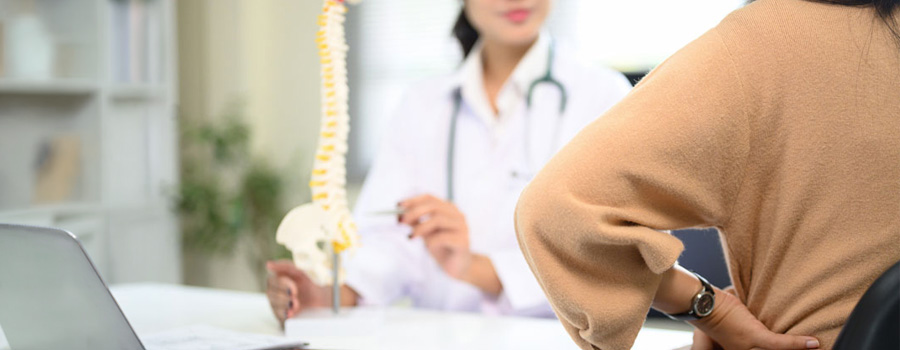
Chronic Back and Neck Pain Related to Nerve Compression
Chronic Back and Neck Pain Related to Nerve Compression
Overview:
Chronic back or neck pain may result from nerves being pressed by a disc, bone, or tight space. This pressure can lead to pain in the back, neck, arms, or legs. Over time, movement can become harder.
Common Symptoms:
- Back or neck pain that lasts for months
- Pain that spreads to the arms or legs
- Numbness, tingling, or weakness
- Trouble standing or walking for long periods
Treatments & Procedures:
- Physical therapy and guided exercise
- Anti-inflammatory medicines
- Nerve blocks or epidural injections
- Spinal cord stimulation
- Decompression surgery when needed
Chronic Neuropathic Pain
Overview:
Chronic neuropathic pain happens when a nerve is damaged or irritated. This pain can last for months or years. It may feel sharp, burning, or electric. It can follow an injury, surgery, or illness. The pain may come and go or stay constant.
Common Symptoms:
- Burning or shooting pain
- Numbness or tingling
- Pain that follows the path of a nerve
- Sensitivity to touch or cold
Treatments & Procedures:
- Medicines that calm nerve signals
- Nerve blocks
- Spinal cord stimulation
- Peripheral nerve stimulation
- Nerve decompression or repair surgery
Complex Regional Pain Syndrome
Complex Regional Pain Syndrome
Overview:
Complex Regional Pain Syndrome is a long-lasting pain condition that often appears after an injury or surgery. The nervous system becomes overly sensitive, causing severe pain, swelling, or skin changes.
Common Symptoms:
- Burning or deep aching pain
- Swelling or color changes in the skin
- Sensitivity to touch or temperature
- Stiffness or weakness in the limb
Treatments & Procedures:
- Physical therapy
- Medicines for nerve pain
- Nerve blocks
- Spinal cord stimulation or DRG stimulation
- Counseling and support for long-term care
Failed Back Surgery
Overview:
Failed back surgery, also known as post-laminectomy syndrome, refers to persistent or new back and/or leg pain that occurs after spinal surgery, despite the surgery being deemed anatomically successful. It's not a specific diagnosis but rather a general term for chronic pain following back surgery. Causes are multifactorial and can include scar tissue formation, recurrent disc herniation, spinal instability, nerve damage, or psychological factors.
Common Symptoms:
- Lower back pain that does not improve
- Leg pain or numbness
- Pain that worsens with standing or walking
- Limited movement or weakness
- Muscle spasms
- Depression or anxiety related to chronic pain
Treatments & Procedures:
- Physical therapy
- Medicines for nerve pain
- Evaluation for targeted nerve or spine surgery
- Epidural steroid injections, nerve blocks, or radiofrequency ablation
- Spinal cord stimulation or dorsal root ganglion stimulation
- Pain pumps
- Revision surgery
Painful Neuromas
Overview:
A neuroma is a small, painful nerve growth that can form after injury or amputation. When the nerve tries to heal but cannot reconnect, it forms a sensitive bundle that can be very painful.
Common Symptoms:
- Sharp or stabbing pain at the site of injury
- Pain that worsens with pressure
- Tingling or electric shocks
- Sensitivity to touch
Treatments & Procedures:
- Medicines to calm nerve activity
- Nerve blocks
- Neuroma excision or reconstruction
- Targeted nerve re-routing
- Peripheral nerve stimulation
Peripheral Nerve Injury Pain
Peripheral Nerve Injury Pain
Overview:
Peripheral nerve pain can follow accidents, falls, cuts, or surgery. When a nerve is stretched or torn, the result can be ongoing pain or numbness in the area the nerve supplies.
Common Symptoms:
- Sharp, burning, or electric-like pain
- Numbness or tingling
- Muscle weakness
- Pain that gets worse with touch or movement
Treatments & Procedures:
- Physical and occupational therapy
- Medicines for nerve pain
- Nerve repair, grafting, or nerve transfer
- Peripheral nerve stimulation
- Nerve decompression surgery
Spasticity from Brain Injury or Stroke
Spasticity from Brain Injury or Stroke
Overview:
After a stroke or brain injury, muscles may tighten because the brain cannot send the right signals to the rest of the body. This can affect walking, speaking, or self-care.
Common Symptoms:
- Tight or curled limbs
- Trouble walking or using the arm
- Muscle spasms
- Pain from stiff muscles
Treatments & Procedures:
- Physical and occupational therapy
- Oral medicines
- Botulinum toxin injections
- Intrathecal baclofen pump therapy
- Selective nerve procedures
Spasticity from Multiple Sclerosis and Other Neurologic Conditions
Spasticity from Multiple Sclerosis and Other Neurologic Conditions
Overview:
Conditions like multiple sclerosis can disrupt nerve signals that control muscle tone. This leads to ongoing stiffness and spasms that can interfere with mobility and comfort.
Common Symptoms:
- Tight or heavy-feeling limbs
- Spasms that come and go
- Difficulty walking
- Fatigue from muscle strain
Treatments & Procedures:
- Physical therapy
- Medicines to reduce muscle tightness
- Botulinum toxin injections
- Intrathecal baclofen pump therapy
- Nerve procedures for severe spasticity
Spasticity from Spinal Cord Injury
Spasticity from Spinal Cord Injury
Overview:
Spasticity is tight, stiff, or rigid muscle tone caused by damage to the spinal cord. Signals between the brain and muscles do not work correctly, leading to painful stiffness that affects movement and daily tasks.
Common Symptoms:
- Muscle tightness or spasms
- Stiff or rigid limbs
- Pain during stretching
- Limited range of motion
Treatments & Procedures:
- Physical therapy
- Oral muscle relaxant medicines
- Botulinum toxin injections
- Intrathecal baclofen pump therapy
- Selective nerve procedures for severe cases
Trigeminal Neuropathic Pain
Trigeminal Neuropathic Pain
Overview:
Trigeminal neuropathic pain is caused by injury or irritation to the trigeminal nerve, often from trauma, surgery, or dental procedures. It feels different from classical trigeminal neuralgia and may not respond the same way to medicine.
Common Symptoms:
- Burning or aching face pain
- Numbness or loss of feeling in the face
- Pain that spreads across one side
- Constant discomfort instead of brief attacks
Treatments & Procedures:
- Medicines for nerve pain
- Nerve blocks
- Peripheral nerve procedures
- Ablation or decompression
- Neuromodulation such as nerve or ganglion stimulation
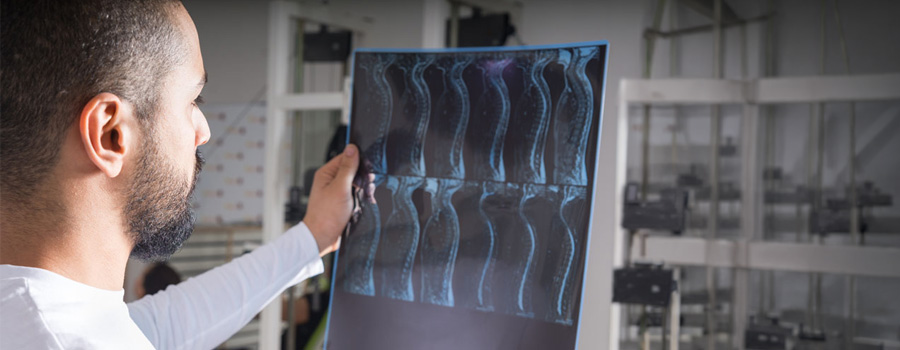
We've highlighted some of the most common services—please explore the conditions list for treatments by condition.
Diagnostic Nerve Blocks and Electrodiagnostic Testing
Diagnostic Nerve Blocks and Electrodiagnostic Testing
Overview:
Nerve blocks, EMG, nerve conduction studies, and nerve ultrasound help identify the source of chronic pain or muscle tightness. These tests guide treatment decisions.
Conditions Treated:
- Chronic neuropathic pain
- Spasticity
- Peripheral nerve injuries
- Nerve compression
Before the Procedure:
Most tests require little preparation. Your care team will explain what to expect. A numbing medicine may be used for nerve blocks.
After the Procedure:
You can return to normal activity. Some temporary numbness may occur after a nerve block. Test results help shape the treatment plan.
Dorsal Root Ganglion (DRG) Stimulation
Dorsal Root Ganglion (DRG) Stimulation
Overview:
DRG stimulation targets a small group of nerves that control feeling in a specific area of the body. It is often used for severe, localized pain, especially in the foot, knee, or groin.
Conditions Treated:
- Complex Regional Pain Syndrome
- Localized nerve injury pain
- Pain after surgery or trauma
Before the Procedure:
A trial is done first to test how well the therapy works. You may have imaging or nerve tests to guide placement. If successful, the permanent device is implanted in a later procedure.
After the Procedure:
Settings are adjusted at follow-up visits. Many patients notice improved comfort and better movement in the affected area.
Intrathecal Baclofen Pump Therapy
Intrathecal Baclofen Pump Therapy
Overview:
This pump delivers medicine directly into the spinal fluid to relax tight muscles. It is used for severe spasticity when oral medicines do not help enough.
Conditions Treated:
- Spasticity from spinal cord injury
- Spasticity from brain injury or stroke
- Spasticity from multiple sclerosis
Before the Procedure:
A test dose is given first to see how well your body responds. If the test works, a small pump is placed under the skin during surgery. You will receive instructions about medicines and activity before the procedure.
After the Procedure:
You may stay in the hospital for monitoring. The pump needs regular refills and adjustments. Many people notice smoother movement and fewer spasms.
Nerve Decompression Surgery
Nerve Decompression Surgery
Overview:
Nerve decompression surgery relieves pressure on a nerve that is being squeezed by muscle, bone, or scar tissue. This helps reduce chronic pain or numbness.
Conditions Treated:
- Chronic nerve compression
- Post-injury or post-surgical nerve pain
- Certain neuropathic pain conditions
Before the Procedure:
You may have imaging or nerve studies to confirm where the pressure is coming from. Your surgeon will explain the plan and discuss anesthesia and recovery.
After the Procedure:
Pain and numbness may improve gradually as the nerve heals. You may have lifting or activity limits while recovering.
Nerve Repair, Grafting, or Transfer
Nerve Repair, Grafting, or Transfer
Overview:
These surgeries reconnect or rebuild damaged nerves to restore function or reduce pain. A nerve graft or transfer may be used if the original nerve cannot heal on its own.
Conditions Treated:
- Nerve injuries
- Loss of function or sensation
- Chronic nerve pain
Before the Procedure:
You will have a full exam to understand the injury. Imaging or nerve testing may help guide the plan. You will receive instructions about anesthesia and recovery.
After the Procedure:
Healing takes time. Nerves grow slowly, so improvements may appear over months. Follow-up visits and therapy help support recovery.
Neuroma Surgery (Excision or Reconstruction)
Neuroma Surgery (Excision or Reconstruction)
Overview:
Neuroma surgery removes or repairs painful nerve growths that form after injury or amputation. Surgery can reduce sensitivity and restore comfort.
Conditions Treated:
- Painful neuromas
- Post-amputation nerve pain
- Nerve injuries that healed poorly
Before the Procedure:
Your doctor will examine the area and may use ultrasound or nerve testing. The procedure is done under anesthesia. You will receive guidance about medicines, food, and activity before surgery.
After the Procedure:
You may need a brief recovery period. Pain should improve over the next several weeks. Some patients benefit from therapy to strengthen nearby muscles.
Peripheral Nerve Stimulation
Peripheral Nerve Stimulation
Overview:
Peripheral nerve stimulation uses a thin wire placed near a single nerve that is causing pain. It sends small pulses to interrupt pain signals.
Conditions Treated:
- Localized neuropathic pain
- Painful neuromas
- Pain after nerve injury
- Certain headaches or facial nerve pain
Before the Procedure:
Your doctor will identify the nerve that causes your pain. A temporary device is placed first to test the response. If helpful, a permanent system may be implanted later.
After the Procedure:
Most patients return to daily activities quickly. Pain relief can improve over time as the device is adjusted.
Peripheral Neurotomy
Overview:
Peripheral neurotomy cuts small nerve branches that cause uncontrolled muscle tightness or spasms. It is used for severe spasticity in specific muscle groups.
Conditions Treated:
- Focal spasticity
- Muscle overactivity that limits daily tasks
Before the Procedure:
You may have mapping tests to identify the nerve fibers involved. The procedure is done under anesthesia. Your team will give instructions on preparing for surgery.
After the Procedure:
Some soreness is normal. Physical therapy can help improve movement and strength. Many people notice less tightness in the treated area.
Selective Dorsal Rhizotomy
Selective Dorsal Rhizotomy
Overview:
Selective dorsal rhizotomy (SDR) reduces spasticity by cutting specific sensory nerve fibers that cause muscle stiffness. It is done when other treatments are not enough.
Conditions Treated:
Severe spasticity that affects mobility and comfort
Before the Procedure:
Your care team will review imaging and muscle tests to see if SDR is a good option. You will receive instructions about anesthesia and recovery planning.
After the Procedure:
Rehabilitation is important after SDR. Therapy helps rebuild strength and improve movement. Muscle tone usually becomes easier to control over time.
Spinal Cord Stimulation
Overview:
Spinal cord stimulation (SCS) uses a small device to send gentle electrical signals to the spinal cord. These signals help reduce chronic nerve pain by changing how pain messages are sent to the brain.
Conditions Treated:
- Chronic neuropathic pain
- Failed Back Surgery Syndrome
- Complex Regional Pain Syndrome
- Chronic back and leg pain
Before the Procedure:
You will have imaging and a full evaluation to see if SCS is right for you. A short trial is done first so you can test the therapy. If the trial works well, a long-term device is placed during a planned surgery.
After the Procedure:
You may feel sore for a few days. The device settings are adjusted over time to give the best pain relief. Most people can return to normal activities within a few weeks.
Can’t find what you're looking for? Contact the care team at the clinic for assistance.