At UTMB, our Heart Failure team is here to help when your heart isn't pumping as well as it should. Whether you're managing a long-term condition or facing a sudden heart problem, we offer advanced treatments to improve your quality of life. Our experts care for people with all types of heart failure, from fluid buildup and irregular heart rhythms to serious conditions that may require a heart pump or transplant. Using the latest technology and research-backed care, we create a treatment plan that fits your needs—so you can breathe easier, feel stronger, and keep doing the things you love.
Arrhythmias are problems with the heart’s rhythm, causing it to beat too fast, too slow, or irregularly. They can range from harmless to life-threatening.
Symptoms:
Fluttering in the chest
Racing or slow heartbeat
Chest pain
Fainting or dizziness
Treatments & Procedures:
Treatments include medications, lifestyle changes, and procedures like pacemaker implantation, catheter ablation, or defibrillator use.
Atrial fibrillation is a common arrhythmia where the heart’s upper chambers (atria) beat irregularly and rapidly, increasing the risk of stroke and heart failure.
Symptoms:
Fast, irregular heartbeat
Feeling your heart race (palpitations)
Shortness of breath and fatigue
Treatments & Procedures:
There are different treatments. Some are done by heart doctors (cardiologists or electrophysiologists) and others by heart surgeons. Sometimes, both work together for the best results.
What Your Heart Doctor (Electrophysiologist) Can Do:
Medications: They may give you blood thinners to stop clots and other drugs to keep your heart rhythm steady.
Cardioversion: This uses a small electric shock or medicine to reset your heart rhythm.
Transcatheter Ablation: A thin tube is used to guide heat or cold energy to fix the parts of the heart that send bad signals. This is done without open surgery.
What a Heart Surgeon Can Do:
Surgical Ablation: The surgeon directly uses heat or cold energy on the heart during an operation to fix the bad signals.
AtriClip: During surgery, a small clip is placed on a part of the heart to lower the risk of stroke.
Hybrid Approach:
Sometimes, both the heart doctor and the heart surgeon work together. This is called a hybrid ablation, where you get both transcatheter and surgical ablation. This team effort can make the treatment work better.
Other Treatments:
Watchman Implant: This device is put in the heart to lower the risk of stroke by stopping clots from forming.
Heart failure patients often develop arrhythmias due to changes in heart structure and function. Managing these arrhythmias is crucial to improving heart function.
Symptoms:
Persistent fatigue and weakness
Shortness of breath
Swelling in legs or abdomen
Treatments:
Cardiac resynchronization therapy (CRT): A device that helps synchronize the heart's ventricles, improving function and reducing symptoms.
ICD or pacemaker implantation: To manage arrhythmias and reduce the risk of sudden cardiac arrest.
Ventricular Fibrillation is a severe arrhythmia where the ventricles quiver instead of pumping blood, often leading to sudden cardiac arrest if untreated.
Symptoms:
Loss of consciousness
No pulse or blood pressure
Treatments:
ICD implantation: Automatically delivers shocks to restore normal rhythm during life-threatening arrhythmias.
Emergency defibrillation: External shocks to restart the heart.
Women's heart health - a conversation with Houston Moms
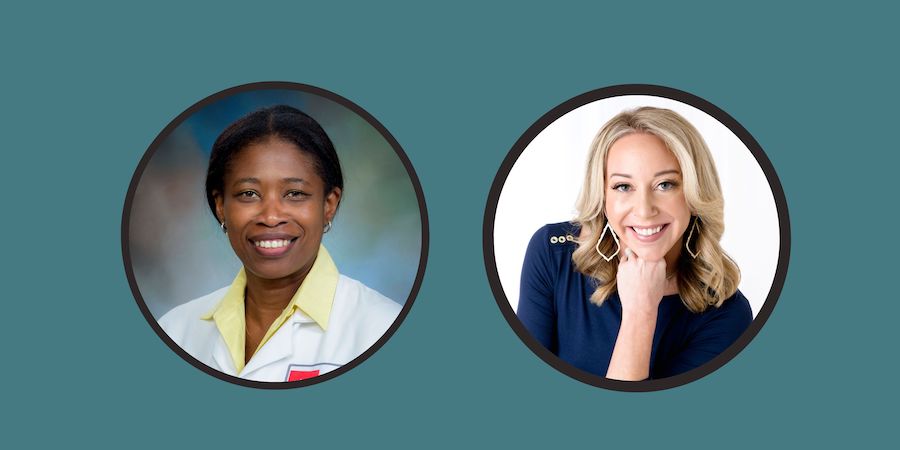
Dr. Esosa Odigie-Okon, professor and provider with the Department of Cardiology, joined the latest segment of Houston Moms to discuss with host Meagan Clanahan all things women's heart health.
From signs and symptoms, to how to ask for help and advocate for yourself, Dr. Okon covers it all.
To learn more, watch the full discussion.
Dr. Esosa Odigie-Okon is an advanced cardiac imaging cardiologist who is passionate about leveraging imaging technologies to enhance patient outcomes.