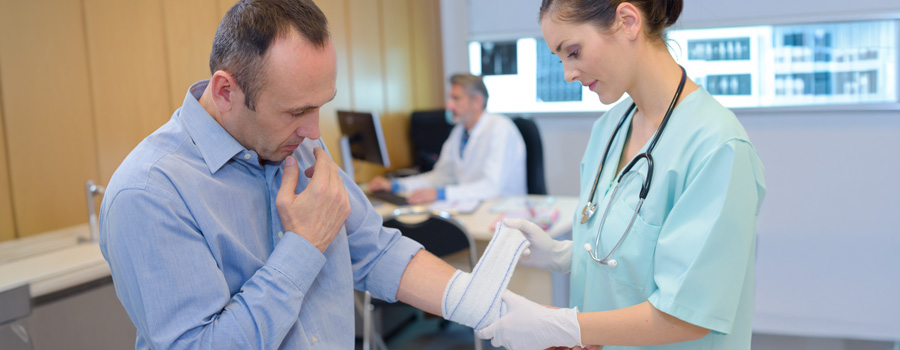
When wounds don’t heal as expected, they can cause pain, limit mobility, and increase the risk of complications. At UTMB Health, our wound care specialists use advanced treatments and personalized care plans to promote faster healing and improve quality of life. From chronic ulcers to non-healing surgical wounds to crush injuries, we're here to help you heal and recover with confidence.
Services & Procedures
Advanced Wound Care
Advanced Wound Care
Overview:
Advanced wound care uses innovative therapies to promote faster healing and healthy tissue growth. Treatments may include cellular tissue products, bioengineered skin substitutes (biologics), and scaffolds that support new cell development. Other options, such as growth factors, negative pressure wound therapy (NPWT)/WoundVac therapy, and advanced dressings, help create the ideal environment for regeneration. These approaches are especially effective for chronic or hard-to-heal wounds.
Conditions Treated:
- Diabetic foot ulcers
- Arterial ulcers
- Pressure ulcers
- Non-healing wounds
- Minor burns
- Infected wounds
- Delayed radiation wounds
- Non-healing amputation or surgical site dehiscence
Before the Procedure::
Your care team will evaluate your wound, overall health, and medical history to determine the best treatment plan. You may undergo imaging or lab tests to check for infection or poor circulation. The wound will be cleaned and measured, and you’ll receive instructions about medications, nutrition, and caring for the wound at home before treatment begins.
After the Procedure:
You may experience mild discomfort or drainage as healing begins. The treated area will be covered with a special dressing or device, and you’ll receive detailed wound care instructions. Follow-up visits are essential to monitor progress, change dressings, and adjust treatment as needed. Most patients notice gradual improvement in pain, drainage, and tissue health over time.
Hyperbaric Oxygen Treatment (HBOT)
Overview:
Hyperbaric oxygen treatment (HBOT) delivers 100% oxygen in a pressurized chamber to help the body heal from wounds, infections, and other medical conditions. The increased pressure allows more oxygen to reach damaged tissues, reducing swelling, fighting infection, and promoting new blood vessel growth. HBOT is often used for non-healing wounds, carbon monoxide poisoning, and certain infections.
Conditions Treated:
- Acute traumatic peripheral ischemia
- Crush injuries and suturing of severed limbs
- Progressive necrotizing infections (necrotizing fasciitis, gas gangrene, etc.)
- Acute peripheral arterial insufficiency
- Preparation and preservation of compromised skin grafts
- Chronic osteomyelitis unresponsive to conventional medical and surgical management
- Osteoradionecrosis
- Soft tissue radionecrosis
- Actinomycosis, unresponsive to conventional antibiotics and surgical treatment
- Diabetic foot wounds in patients with the following three criteria:
- Type I or Type II diabetes
- Foot wound is due to diabetes
- Current or prior presence of deep infection (Wagner Grade 3 or higher)
- Poor healing despite an adequate course of standard wound therapy for at least 30 days
Before the Procedure::
Before starting HBOT, your provider will review your medical history and perform an exam to ensure the treatment is safe for you. You may need imaging or lab tests, and you’ll receive instructions about clothing, medications, and avoiding certain products (like petroleum-based lotions). The care team will explain what to expect inside the pressurized chamber and answer any questions.
After the Procedure:
After treatment, you may feel lightheaded or tired for a short time, which usually resolves quickly. Your ears may feel “full,” similar to changes in air pressure during a flight. The care team will monitor you briefly before you leave and schedule follow-up sessions as needed. Over time, HBOT supports healing, reduces inflammation, and improves oxygen delivery to damaged tissues.
Negative Pressure Wound Therapy (WoundVac)
Overview:
Negative pressure wound therapy (NPWT), also known as WoundVac therapy, is an advanced wound care treatment that uses controlled suction to help wounds heal more quickly. A sealed dressing is connected to a small, portable vacuum pump, which stimulates soft tissue growth, removes excess fluid, reduces swelling, and improves blood flow. This creates an ideal environment to support tissue growth, making NPWT especially effective for large, chronic, or complex wounds.
Conditions Treated:
- Non-healing wounds
- Diabetic foot ulcers
- Pressure ulcers
- Arterial ulcers
- Compromised skin grafts or flaps
- Minor burns
- Infected wounds
- Non-healing amputation or surgical site dehiscence
Before the Procedure::
Your provider will evaluate your wound and overall health to determine if NPWT is appropriate. The area will be cleaned and prepared, and you’ll be shown how the dressing and vacuum system work. The team will explain how often dressings need to be changed and what signs of infection or leakage to watch for at home.
After the Procedure:
Once NPWT is applied, you’ll feel gentle suction from the device, which helps draw the wound edges together. The dressing and tubing must stay sealed for the therapy to work effectively. You may carry or wear the small pump continuously, even while moving around. Regular dressing changes and follow-up visits will monitor healing progress and ensure the wound remains clean and healthy.
Wound Debridement & Cautery
Overview:
Wound debridement and cautery are procedures used to clean and promote healing in damaged or infected tissue. Debridement removes dead or contaminated tissue to reduce infection risk and stimulate healthy cell growth. Cautery uses heat or electricity to seal bleeding vessels and control infection. Together, they help prepare the wound bed for faster, more effective healing.
Conditions Treated:
- Non-healing wounds
- Diabetic foot ulcers
- Pressure ulcers
- Arterial ulcers
- Non-healing amputation or surgical site dehiscence
- Infected wounds
- Minor burns
- Delayed radiation wounds
Before the Procedure::
Your care team will examine your wound, review your medical history, and determine the best method of debridement or cautery. You may need imaging or lab tests to check for infection or circulation issues. The area will be cleaned, and local anesthesia or sedation may be used to keep you comfortable during the procedure.
After the Procedure:
You may experience mild soreness, redness, or drainage as the wound begins to heal. A special dressing or topical medication will be applied to protect the area and prevent infection. Follow-up visits are important to monitor healing and repeat debridement if needed. Over time, the wound bed becomes cleaner and healthier, supporting faster tissue repair.
Conditions We Treat
Wounds
Arterial Ulcers
Arterial Ulcers
Overview:
Arterial ulcers, also known as ischemic ulcers, are wounds caused by poor blood flow to the lower extremities due to peripheral arterial disease. When arteries are narrowed or blocked, oxygen-rich blood cannot reach the skin and tissues, leading to tissue death and ulceration, typically on the lower legs, feet, or toes.
Common Symptoms:
- Painful ulcers, especially at rest or at night
- Punched-out appearance (small, round with well-defined edges)
- Pale or necrotic wound bed (yellow, gray, or black tissue)
- Cold, shiny, or hairless skin around the ulcer
- Weak or absent foot pulses
- Delayed capillary refill
- Minimal bleeding or drainage
- Pain worsens when legs are elevated, improves when legs are hanging down
Treatments & Procedures:
- Angioplasty or bypass surgery to restore blood flow
- Gentle cleaning and dressing of wound
- Pain management
- Compression therapy avoidance
- Smoking cessation
- Blood sugar, cholesterol, and blood pressure management
- Exercise
Delayed Radiation Wounds
Overview:
Delayed radiation wounds occur when tissues that were previously exposed to radiation, such as during cancer treatment, experience long-term damage that appears months or even years later. Radiation can harm blood vessels and surrounding tissues, leading to poor circulation, chronic pain, tissue breakdown, and delayed wound healing. Common examples include soft tissue radionecrosis, osteoradionecrosis (bony necrosis), and radiation cystitis, which affect different organs but share similar underlying tissue damage.
Common Symptoms:
- Chronic pain or tenderness in the treated area
- Non-healing or slow-healing wounds
- Skin changes: redness, thickening, or ulceration
- Swelling or fibrosis (hardening of tissues)
- Decreased mobility or stiffness if joints are affected
- Increased susceptibility to infection in affected tissue
- Recurrent blood in urine or stool
Treatments & Procedures:
- Hyperbaric oxygen treatment (HBOT): increases oxygen delivery to damaged tissues, promoting healing and new blood vessel growth
- Wound care: specialized dressings and infection management
- Surgical interventions: in severe cases, reconstructive surgery or debridement may be needed
- Medications: for pain management, inflammation, or to support tissue repair
- Physical therapy: to maintain mobility and function in affected areas
Diabetic Foot Ulcers
Overview:
Diabetic foot ulcers are open sores or wounds that develop on the feet of people with diabetes, usually on pressure points like the soles, heels, or toes. They arise primarily due to a combination of sensation loss and poor blood circulation, which impair the foot’s ability to heal and resist infection. High blood sugar levels also weaken the immune response, making infections more likely. These ulcers are a serious complication that can lead to infection, gangrene, and even amputation if not managed properly.
Symptoms:
- Open sores or wounds on feet, often slow to heal
- Surrounding skin redness or swelling
- Drainage or pus from wound
- Foul odor from infected ulcers
- Pain may be absent due to neuropathy
- Thickened callused skin around ulcer
- Changes in skin color or temperature near ulcer
Treatments & Procedures:
- Use of total contact casts, specialized shoes, or braces to relieve pressure on ulcer
- Regular cleaning and removal of dead tissue to promote healing
- Oral or intravenous antibiotics guided by wound cultures, if infection is present
- Tight diabetes management to improve healing and immune function
- Procedures like angioplasty or bypass surgery to improve blood flow, if poor circulation is contributing
- Use of growth factors, skin substitutes, or hyperbaric oxygen therapy in select cases
Lymphedema/Venous-Related Wounds
Overview:
Lymphedema and venous-related wounds occur when poor circulation or lymphatic fluid buildup prevents normal healing. These wounds are often chronic and can be difficult to manage without specialized treatment. They are more common in people with vein disease, obesity, a history of blood clots, or those who spend long periods standing. Proper care is essential to reduce complications and support healing.
Common Symptoms:
- Persistent leg or foot swelling
- Heaviness or aching in the limbs
- Skin discoloration or thickening
- Open sores or ulcers that heal slowly
- Recurrent infections
- Fluid leakage from the skin
Treatments & Procedures:
- Compression therapy (bandages, stockings, wraps)
- Wound cleaning and dressing changes
- Elevation and exercise to improve circulation
- Medications for infection or inflammation
- Surgery or advanced procedures when needed
Neuropathic Ulcers
Neuropathic Ulcers
Overview:
Neuropathic ulcers are open sores that develop as a result of nerve damage, most often in people with diabetes. When nerves are damaged, the ability to feel pain, pressure, or temperature changes in the feet or lower legs is reduced. As a result, small cuts, blisters, or pressure points may go unnoticed and progress into deeper wounds. These ulcers typically occur on weight-bearing areas of the foot or under the toes.
Common Symptoms:
- Loss of sensation or numbness in the affected area
- A round or punched-out wound, often surrounded by thick callus
- Drainage or odor from the ulcer site
- Redness or swelling around the wound
- Warmth in surrounding tissues (possible sign of infection)
- Slow or non-healing wound despite standard care
- Changes in foot shape or deformities (e.g., Charcot foot)
Treatments & Procedures:
- Offloading pressure: Specialized footwear, orthotic inserts, total contact casting, or removable walking boots to reduce pressure on the ulcer site
- Wound care: Regular cleaning, debridement (removal of dead tissue), and application of dressings designed to maintain moisture balance and promote healing
- Infection management: Topical or systemic antibiotics if infection is present
- Blood sugar control: Optimizing glucose levels to improve circulation and healing
- Surgical intervention: Correction of foot deformities, removal of infected bone or tissue, or procedures to improve blood flow if circulation is impaired
- Adjunctive therapies: Negative pressure wound therapy, growth factor applications, or hyperbaric oxygen treatment (HBOT) to enhance oxygen delivery and tissue repair
Non-Healing Wounds
Non-Healing Wounds
Overview:
Non-healing wounds are injuries or ulcers that fail to progress through the normal stages of healing within an expected timeframe, usually about four weeks. These wounds can develop from trauma, surgery, pressure, poor circulation, infection, or underlying medical conditions such as diabetes or vascular disease. Because the body’s natural repair process is disrupted, non-healing wounds are at risk for chronic infection, tissue breakdown, and other complications that may threaten limb health
Common Symptoms:
- Wound that does not heal after several weeks of standard care
- Persistent redness, swelling, or warmth around the wound
- Drainage, foul odor, or signs of infection
- Thickened or discolored tissue at the wound edges
- Pain, tenderness, or numbness in the affected area
- Changes in skin texture or color around the wound
- Delayed closure or recurrent breakdown of healed tissue
Treatments & Procedures:
- Wound assessment and debridement: Cleaning and removal of dead or infected tissue to promote new cell growth
- Advanced dressings: Specialized materials that maintain a balanced moisture environment and protect against infection
- Infection management: Topical or oral antibiotics when infection is present
- Circulation improvement: Compression therapy, vascular evaluation, or procedures to restore adequate blood flow
- Nutritional support: Ensuring proper protein and vitamin intake to aid in tissue repair
- Offloading and pressure relief: Use of protective footwear, cushions, or positioning techniques to prevent further damage
- Adjunctive therapies: Negative pressure wound therapy, growth factor treatments, or hyperbaric oxygen treatment (HBOT) to enhance oxygen delivery and healing
Pressure Ulcers (Bedsores)
Overview:
Pressure ulcers, also known as bedsores, are injuries to the skin and underlying tissue caused by prolonged pressure on the skin. They most commonly occur in people who are bedridden, use a wheelchair, or have limited mobility.
Common Symptoms:
- Skin discoloration
- Pain or tenderness
- Swelling
- Open sores or drainage
- Foul odor (if infected)
- Warmth around the area
Treatments & Procedures:
- Repositioning every 1–2 hours for pressure relief
- Cleaning, dressing changes, and removal of dead tissue
- Specialized mattresses or cushions
- Antibiotics or surgical drainage if needed
- Protein, vitamins, and fluids to aid healing
- Surgical repair or skin grafts
Complications of Infection
Abscesses
Abscesses
Overview:
An abscess is a localized collection of pus that forms when the body attempts to fight off infection. Most often caused by bacteria entering through a cut, puncture, or hair follicle, abscesses can become painful and swollen. While small abscesses may drain on their own, larger ones can spread infection into surrounding tissue or the bloodstream without timely treatment.
Common Symptoms:
- Painful, tender lump that increases in size
- Redness and warmth around the affected area
- Fluctuant (soft or compressible) swelling filled with fluid
- Spontaneous drainage of pus
- Fever, chills, or general malaise if infection spreads
Treatments & Procedures:
- Incision and drainage to remove pus
- Antibiotic therapy if infection spreads beyond the abscess
- Wound cleaning and sterile dressing changes
- Pain management with medications
- Warm compresses to encourage drainage in small abscesses
Cellulitis with Wound Involvement
Overview:
Cellulitis is a bacterial skin infection that spreads through the deeper layers of the skin and underlying tissues. When linked to an open wound, bacteria can quickly invade and cause swelling, redness, and pain. Left untreated, cellulitis can lead to abscesses, bloodstream infections, or sepsis. Early recognition and treatment are critical to prevent serious complications.
Common Symptoms:
- Red, swollen, warm skin around or near the wound
- Rapidly spreading or streaking redness
- Significant tenderness or pain in the affected area
- Skin that feels tight or firm
- Fever, chills, or fatigue with worsening infection
Treatments & Procedures:
- Oral or intravenous antibiotics depending on severity
- Wound cleaning, debridement, and sterile dressing changes
- Elevation of the affected limb to reduce swelling
- Pain control and anti-inflammatory medications
- Hospitalization in severe or systemic cases
Infected Wounds
Infected Wounds
Overview:
An infected wound occurs when bacteria or other microorganisms enter a break in the skin, causing inflammation and delayed healing. Infection can develop in any wound—surgical, traumatic, or chronic—especially if blood flow is poor or the tissue is damaged. Without prompt treatment, infection can spread deeper into the tissue or bloodstream, leading to serious complications.
Common Symptoms:
- Redness, swelling, and increasing pain around the wound
- Pus or foul-smelling drainage from the cut
- Warmth or tenderness at the site
- Delayed wound closure or reopening of stitches
- Fever or systemic symptoms in advanced infections
Treatments & Procedures:
- Irrigation and thorough cleaning of the wound
- Debridement of damaged or infected tissue
- Closure techniques (stitches, staples, adhesive strips) when safe
- Topical or oral antibiotics for infection control
- Regular wound dressing changes and monitoring
Necrotizing Soft Tissue Infections
Overview:
Necrotizing soft tissue infections, such as gas gangrene, are rare but aggressive bacterial infections that destroy skin, muscle, and connective tissue. Gas gangrene is a severe form caused by Clostridium bacteria that produces toxins and gas bubbles in the tissue. These infections spread rapidly and can cause life-threatening sepsis if not treated immediately. Emergency care is critical to save life and limb.
Common Symptoms:
- Severe, rapidly worsening pain disproportionate to the wound’s appearance
- Swelling and skin discoloration (red, purple, gray, or black)
- Blisters, bullae, or crackling sensation under the skin from gas buildup
- Foul-smelling drainage or necrotic tissue
- Fever, chills, confusion, or shock as infection progresses
Treatments & Procedures:
- Emergency surgical debridement or removal of infected tissue
- Broad-spectrum intravenous antibiotics, adjusted as cultures return
- Hyperbaric oxygen treatment as an adjunct to slow bacterial spread
- Intravenous fluids, pain management, and intensive supportive care
- Amputation in severe cases where infection cannot be controlled
- Ongoing wound care and reconstructive surgery after infection control
Specialized Wound Types
Acute Traumatic Ischemia
Overview:
Acute traumatic ischemia occurs when blood flow to a limb is suddenly blocked after an injury, such as a fracture, dislocation, or vascular trauma. The lack of oxygen quickly damages tissues, placing the limb at risk for necrosis or amputation. Prompt diagnosis and treatment are critical to restore circulation and preserve function.
Common Symptoms:
- Sudden, severe pain after trauma
- Pale, cold, or bluish skin
- Numbness or paralysis in the limb
- Absent or weak pulses below the injury
- Rapid progression to tissue death without treatment
Treatments & Procedures:
- Emergency surgery to repair damaged blood vessels
- Anticoagulant or thrombolytic medications in select cases
- Wound care and tissue debridement
- Fasciotomy if compartment syndrome develops
- Hyperbaric oxygen treatment in some cases
- Amputation if circulation cannot be restored
Avascular Necrosis
Avascular Necrosis
Overview:
Avascular necrosis (AVN), or osteonecrosis, occurs when blood supply to a bone is reduced or cut off, leading to bone tissue death. Over time, the bone weakens and may collapse, causing joint damage and pain. AVN most often affects the hip, knee, or shoulder and may result from injury, steroid use, or certain medical conditions.
Common Symptoms:
- Gradual onset of joint pain (hip, knee, shoulder)
- Pain that worsens with weight-bearing or movement
- Limited range of motion
- Swelling and stiffness
- Progression to severe arthritis or joint collapse
Treatments & Procedures:
- Medications for pain and inflammation
- Restricted weight-bearing with crutches or braces
- Physical therapy to preserve mobility
- Core decompression surgery to restore blood flow
- Bone grafting or joint replacement in advanced cases
- Hyperbaric oxygen treatment in some cases
Compartment Syndrome
Overview:
Compartment syndrome occurs when swelling or bleeding increases pressure within a closed muscle compartment, cutting off circulation to muscles and nerves. This can result from fractures, crush injuries, or tight bandages. Without prompt treatment, compartment syndrome causes irreversible muscle and nerve damage, sometimes requiring amputation. It is considered a surgical emergency.
Common Symptoms:
- Severe pain out of proportion to the injury
- Pain that worsens with passive stretching
- Swelling, tightness, or firmness in the limb
- Numbness, tingling, or paralysis in severe cases
- Loss of pulse in advanced stages
Treatments & Procedures:
- Emergency fasciotomy (surgical release of pressure)
- Removal of constrictive bandages or casts
- Wound cleaning and debridement if tissue damage occurs
- Pain management and rehabilitation
- Secondary reconstructive procedures after healing
Compromised Skin Grafts and Flaps
Overview:
Skin grafts and flaps are surgical techniques used to cover wounds or reconstruct tissue. Sometimes, these grafts fail to heal due to poor blood supply, infection, or underlying health issues. Compromised grafts and flaps require prompt attention to prevent tissue loss and to support healing with advanced wound care or additional surgery.
Common Symptoms:
- Delayed healing or breakdown of the graft or flap
- Discoloration (pale, bluish, or black tissue)
- Poor attachment of graft to underlying tissue
- Drainage, swelling, or signs of infection
- Pain or tenderness around the site
Treatments & Procedures:
- Careful wound monitoring and dressing changes
- Debridement of non-viable tissue
- Antibiotics for infection control
- Hyperbaric oxygen treatment to improve oxygenation and blood flow
- Surgical revision or re-grafting if needed
- Vascular support to enhance circulation
Crush Injuries
Crush Injuries
Overview:
Crush injuries occur when a body part is subjected to extreme pressure, damaging skin, muscle, nerves, and blood vessels. These injuries can cause severe bleeding, swelling, and tissue death, sometimes leading to systemic complications such as crush syndrome (toxic muscle breakdown). Immediate treatment is essential to prevent permanent disability or life-threatening complications.
Common Symptoms:
- Severe pain and tenderness
- Swelling and bruising
- Visible deformity or crushed appearance
- Numbness or tingling due to nerve damage
- Loss of movement or weakness in affected area
- Open wounds or bleeding (in some cases)
- Pale or cold skin if blood flow is compromised
Treatments & Procedures:
- Immediate evaluation and stabilization of the injury
- Pain management with medications
- Cleaning and dressing of open wounds to reduce infection risk
- Splints or casts to support and protect injured bones and tissues
- Surgical treatment (e.g., fracture repair, tissue reconstruction, fasciotomy to relieve pressure, or debridement of dead tissue)
- Antibiotics to prevent or treat infection
- Intravenous (IV) fluids to help prevent kidney damage in crush syndrome
- Hyperbaric oxygen therapy in select cases
- Physical therapy to restore strength, mobility, and function during recovery
- Amputation in severe cases with extensive tissue damage
Minor Burns
Minor Burns
Overview:
Minor burns are superficial or partial-thickness injuries that affect a small portion of the body, typically less than 7% of the total body surface area (TBSA). These burns may result from brief contact with heat, hot liquids, steam, or mild chemical or electrical sources. While minor burns usually do not require emergency care, they can still be painful and at risk for infection or delayed healing if not treated properly. With prompt wound care and monitoring, most minor burns heal without complications or significant scarring.
Common Symptoms:
- Redness and mild swelling at the burn site
- Pain, tenderness, or a burning sensation
- Blistering or peeling skin (in partial-thickness burns)
- Warmth or sensitivity in the affected area
- Dry, flaky, or tight skin as the burn heals
- Possible clear or yellowish drainage if the blister opens
Treatments & Procedures:
- Cooling and cleansing: Gently rinsing the burn with cool (not cold) water to reduce pain and remove debris
- Topical medications: Application of antibiotic ointments, soothing gels, or silver-based dressings to prevent infection and promote healing
- Dressing changes: Use of sterile, non-adherent dressings that protect the area and maintain a moist healing environment
- Pain management: Over-the-counter pain relievers such as acetaminophen or ibuprofen
- Moisturization and scar prevention: Use of fragrance-free creams or silicone-based products after healing to maintain skin elasticity and reduce scarring
- Follow-up care: Monitoring for signs of infection, delayed healing, or deeper tissue damage that may require further evaluation
- Adjunctive therapy: In select cases, hyperbaric oxygen treatment (HBOT) may be used to enhance tissue oxygenation and healing in burns that are slow to close
Non-Healing Amputation or Surgical Suite Dehiscence
Overview:
Non-healing amputation sites and surgical wound dehiscence occur when a surgical incision or amputation stump fails to properly close and heal. These wounds may reopen due to poor circulation, infection, tension on the incision, or underlying conditions such as diabetes or vascular disease. Delayed healing increases the risk of tissue breakdown, infection, and other surgical complications. Specialized wound management is often required to promote closure, preserve limb function, and prevent additional tissue loss.
Common Symptoms:
- Separation or reopening of the incision or amputation site
- Persistent drainage or bleeding from the wound
- Redness, swelling, or tenderness around the surgical area
- Visible tissue, sutures, or bone within the wound
- Foul odor or cloudy drainage (possible sign of infection)
- Pain, warmth, or systemic symptoms such as fever
- Delayed healing or thickened, discolored wound edges
Treatments & Procedures:
- Wound cleaning and debridement: Removal of dead or infected tissue to stimulate new growth and reduce bacterial burden
- Infection management: Use of topical or systemic antibiotics if infection is present
- Advanced wound dressings: Moisture-balanced dressings, negative pressure wound therapy (wound VAC), or bioengineered skin substitutes
- Offloading and pressure relief: Custom padding or positioning to minimize stress on the surgical site
- Circulation improvement: Vascular evaluation or surgical procedures to enhance blood flow to the area
- Nutritional optimization: Ensuring adequate protein, vitamins, and hydration to support tissue repair
- Surgical revision: In some cases, reclosure of the wound or revision of the amputation site may be necessary
Wounds Related to Autoimmune or Vasculitis Conditions
Overview:
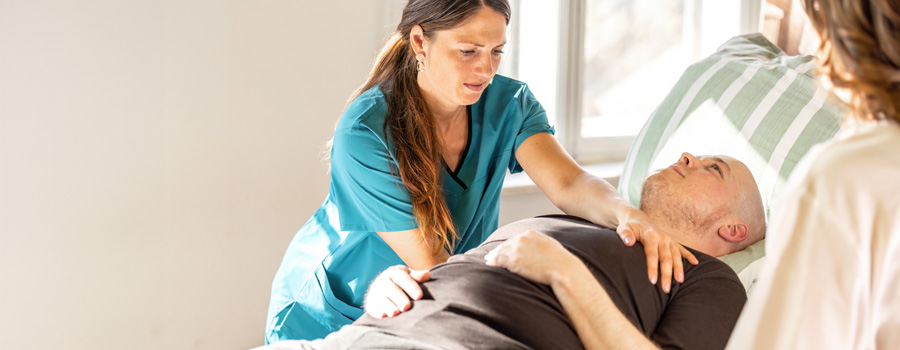
Autoimmune diseases and vasculitis can cause chronic wounds by attacking blood vessels and skin tissues. Inflammation reduces circulation, leading to ulcers or slow-healing sores. These wounds are often resistant to standard treatments and may flare with underlying disease activity. Managing the autoimmune condition is key to promoting healing and preventing recurrence.
Common Symptoms:
- Painful ulcers on legs, feet, or other areas
- Red, purple, or mottled skin
- Delayed healing or recurrent wounds
- Tissue breakdown despite proper wound care
- Other systemic autoimmune symptoms (fatigue, joint pain)
Treatments & Procedures:
- Immunosuppressive or anti-inflammatory medications
- Specialized wound dressings and regular cleaning
- Compression therapy for vascular involvement
- Surgery or grafting for large or non-healing wounds
Your Care Team
Each provider may treat different conditions. Click on a profile to see their areas of specialty.

Additional Resources
About UTMB Health’s Wound Care Specialists
Non-healing wounds often have underlying, complex conditions which prevent progression through the expected sequence of healing stages. These wounds benefit from an evaluation by a knowledgeable specialist in wound care. UTMB Health wound care specialists, in consultation from your primary care or other specialists, evaluate and initiate tailored treatment programs to promote wound healing.
UTMB Health Wound Care specialists are knowledgeable of the latest information regarding prevention, identification, and treatment of complicated wounds. Fortunately, there are many wound healing products UTMB Health wound care specialists employ, and new wound-treatment modalities continue to emerge.
Your UTMB Health wound care team will conduct a thorough examination and work with you to develop an individualized treatment plan tailored to your needs and goals. Our specialists understand the importance of a multidisciplinary team (MDT) approach to wound healing. Therefore, we may recommend diagnostic services or evaluation by other specialists to identify and correct underlying problems preventing wound healing. Numerous studies have shown that an MDT led by a dedicated wound specialist improves wound healing outcomes, reduces the need for repeat procedures, and prevents major amputations and limb loss.
At each wound center visit, your team may provide wound debridement, dressing changes, and patient education. As part of your individualized treatment program, it’s important to adhere to prescribed follow-up, potentially weekly for wound care and daily for HBOT, if recommended. Utilizing advanced wound care products, therapies, and HBOT, our specialists can help you avoid complications and speed recovery.

Frequently Asked Questions
-
What types of wounds do you treat?
We treat a wide range of wounds, including diabetic foot ulcers, venous and arterial ulcers, pressure sores, traumatic wounds, surgical dehiscence, burns, and wounds related to lymphedema, autoimmune conditions, or poor circulation.
-
How do I know if my wound needs medical attention?
Seek care if your wound:
- Is not healing as expected after 2-4 weeks
- Shows redness, swelling, or pus
- Causes increasing pain or foul odor
- Causes fever or other symptoms of infection
- What treatments are available for chronic or non-healing wounds?
Treatment depends on the wound type and severity. Options include:
- Advanced dressings and topical therapies
- Negative pressure wound therapy (WoundVac)
- Skin substitutes, biologics, or scaffolds
- Hyperbaric oxygen treatment
- Surgical procedures, including debridement or grafting
- Compression therapy or total contact casting for circulation-related wounds
-
What is hyperbaric oxygen treatment, and how does it help with wound care?
Hyperbaric oxygen treatment delivers 100% oxygen in a pressurized chamber (2.0-2.8 ATA), helping blood and tissues heal faster. It can improve healing in chronic wounds, radiation-related injuries, compromised skin grafts, and certain infections.
-
How long does it take for chronic wounds to heal?
Healing time varies depending on wound type, size, circulation, infection, and underlying health conditions. Some wounds heal in a few weeks, while others may require months of specialized care.
All Wound Care & Hyperbaric Medicine Specialties
Our Locations
- 1804 FM 646 West
Suite N - M–F: 8 a.m.–5 p.m.
- (281) 967-7106
- (281) 534-4256
- Website