Hyperbaric medicine uses pure oxygen in a pressurized chamber to help the body heal when conventional treatments aren’t enough. By increasing oxygen delivery to tissues, hyperbaric therapy can accelerate wound healing, support recovery from radiation injuries, treat certain infections, and improve outcomes for select vascular or traumatic conditions. At UTMB Health, our specialists combine this advanced technology with personalized care to help you recover safely and effectively.
Services & Procedures
Hyperbaric Oxygen Treatment (HBOT)
Overview:
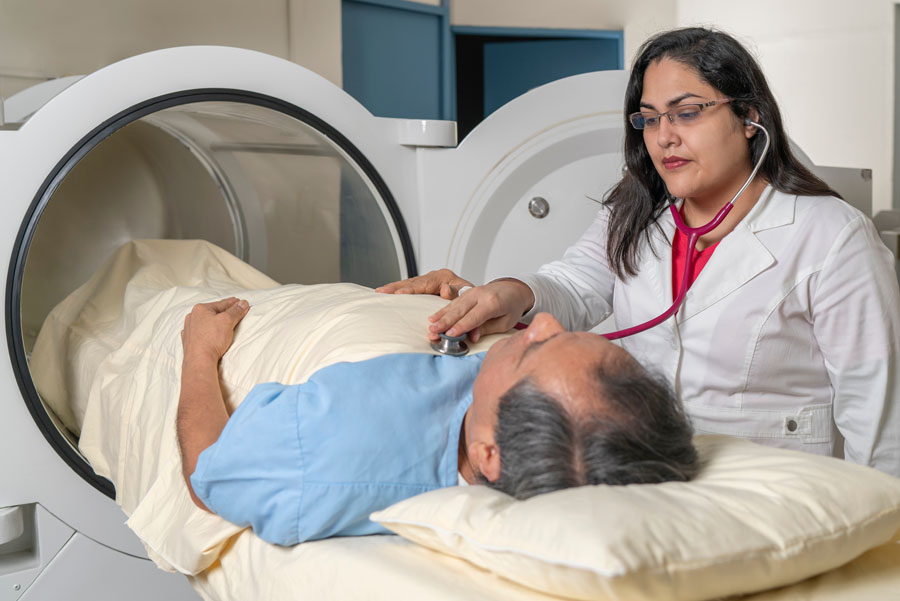
Hyperbaric oxygen treatment (HBOT) is a medical treatment that involves breathing 100% medical grade oxygen while lying or seated entirely within a hyperbaric “chamber.” This chamber is pressurized to a minimum of 1.4 ATA (atmospheres absolute). While there is some variation depending on factors such as the problem treated, patients at the UTMB Hyperbaric Center are typically treated at 2.0 ATA for a duration of 90 minutes and for an average of 30 treatments in a single person (monoplace) chamber.
HBOT can be used as a primary or adjunctive treatment for chronic wounds, radiation injuries, traumatic or vascular conditions, and other refractory cases. The increased pressure allows oxygen to dissolve more efficiently into the bloodstream, delivering it to areas with poor circulation or tissue damage. This promotes healing by reducing swelling, fighting infection, and stimulating new blood vessel growth.
Benefits of HBOT:
Hyperbaric oxygen treatment (HBOT) accelerates the body's natural healing process to speed healing and recovery. Some therapeutic effects of HBOT include:
- Increased oxygenation of body tissues
- Decreased edema (swelling)
- Stimulation of new blood vessel growth
- Optimal white blood cell and immune function
- Optimal production of collagen
- Reduction of inflammation
These effects work synergistically to optimize healing.
Conditions Treated:
Hyperbaric specialists utilize HBOT for medical conditions that fail to be treated with usual care, such as non-healing wounds, or for which there is no definitive therapeutic alternative, such as the late effects of cancer-related radiation treatment.
The following conditions have been approved for treatment with HBOT by Medicare and most insurances:
- Acute traumatic peripheral ischemia
- Crush injuries and suturing of severed limbs
- Progressive necrotizing infections (necrotizing fasciitis, gas gangrene, etc.)
- Acute peripheral arterial insufficiency
- Preparation and preservation of compromised skin grafts
- Chronic osteomyelitis unresponsive to conventional medical and surgical management
- Osteoradionecrosis
- Soft tissue radionecrosis
- Actinomycosis, unresponsive to conventional antibiotics and surgical treatment
- Diabetic foot wounds in patients with the following three criteria:
- Type I or Type II diabetes
- Foot wound is due to diabetes
- Current or prior presence of deep infection (Wagner Grade 3 or higher)
- Poor healing despite an adequate course of standard wound therapy for at least 30 days
Other Conditions:
These conditions may also benefit from HBOT, but may require additional insurance review for approval:
- Other late effects of radiation: radiation colitis, cerebral or peripheral nerve radionecrosis
- Avascular necrosis
- Thermal burns
- Intracranial (brain) abscess
- Idiopathic sudden sensorineural hearing loss
- Central retinal artery occlusion
- Other select non-healing wounds
Some of these conditions may require initial emergency care and hospitalization but may still benefit from outpatient HBOT upon hospital discharge.
Conditions Not Treated:
While there are ongoing trials on the use of HBOT to support the treatment of other conditions, this facility does not conduct experimental treatments. The following is a non-inclusive list of conditions we do not treat:
- Cerebral palsy, anoxic brain injury
- Traumatic brain injury
- Autism
- ADHD or other behavioral conditions
- Cancer (unrelated to late effects of radiation)
- Lyme disease
- Mold exposure
Before the Procedure:
Treatments are administered daily, Monday through Friday, excluding clinic holidays.
- Medical Evaluation: You’ll meet with a specialist to review your medical history, medications, and any conditions such as lung or heart issues.
- Clothing & Personal Items: You’ll wear a cotton gown or comfortable clothing. Remove anything flammable, including cosmetics, hair products, and jewelry.
- Fasting & Medications: Usually, you can eat normally, but your doctor may provide instructions if you have specific conditions. Continue prescribed medications unless advised otherwise.
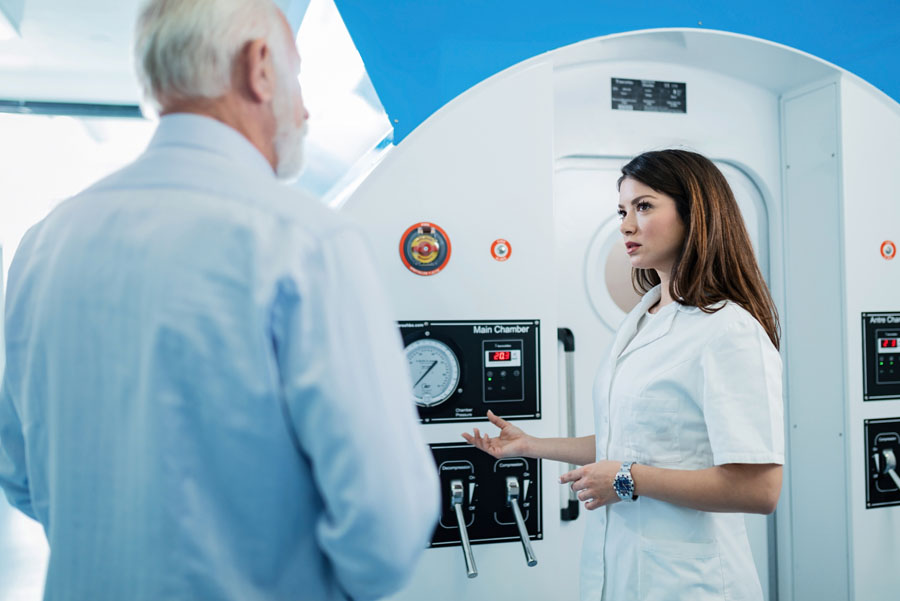
- Explanation of the Procedure: Staff will explain how the chamber works, what you may feel, and answer any questions.
- Physician-Supervised Care: A hyperbaric-trained physician is present during all treatments.
During the Procedure:
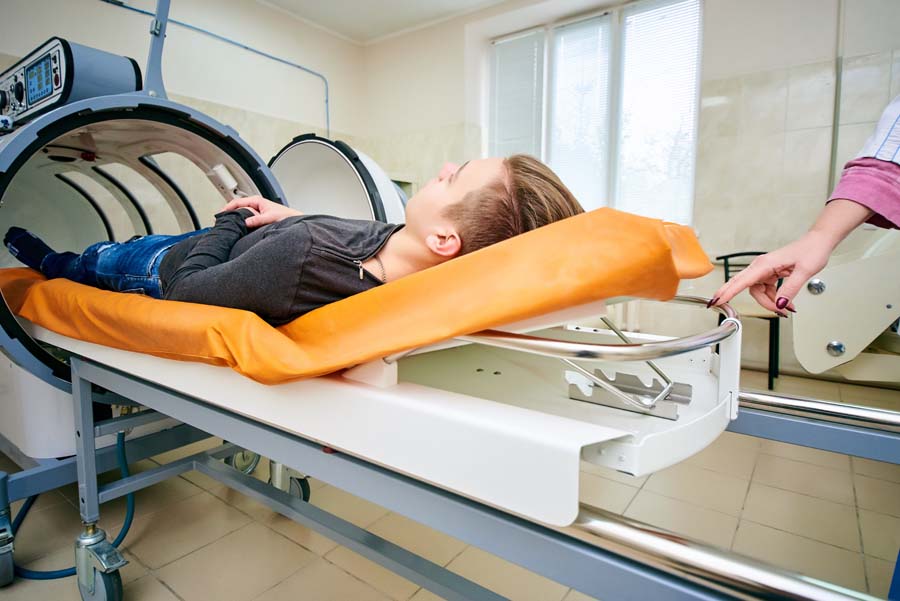
- You will lie on a gurney in a comfortable position.
- Our staff will review a safety check prior to every treatment.
- The session will last about 90 minutes.
- You may nap or watch videos.
- A certified hyperbaric technician (CHT) or certified hyperbaric nurse (CHRN) will sit next to you throughout your treatment.
- You may communicate with the CHT or CHRN next to you by intercom at any time during the treatment.
After the Procedure:
- You may return to your usual activities after your daily treatment.
- Some patients may feel slightly tired or lightheaded for a short time.
- Mild temporary effects, such as ear pressure or sinus discomfort, may occur.
- Your provider will review your treatment plan, follow-up schedule, and any additional wound care or medications needed.
Conditions We Treat
Decompression & Gas-Related Conditions
Air or Gas Embolism
Overview:
An air or gas embolism occurs when air bubbles enter the bloodstream and block blood flow to vital organs. This can happen during diving, surgery, trauma, or certain medical procedures. The trapped air can prevent oxygen from reaching tissues, leading to potentially serious complications. Prompt recognition and emergency treatment are essential to prevent lasting damage.
Common Symptoms:
- Sudden chest pain or shortness of breath
- Coughing or frothy sputum
- Dizziness or confusion
- Weakness, numbness, or paralysis
- Irregular heartbeat or low blood pressure
- Vision changes
- Loss of consciousness in severe cases
Treatments & Procedures:
- Recompression therapy: performed in a hyperbaric chamber to reduce and eliminate air bubbles
- Hyperbaric oxygen treatment (HBOT): supplies 100% oxygen under pressure to restore normal circulation and oxygenation
- Immediate oxygen administration: given through a mask to stabilize the patient and limit bubble size
- Intravenous (IV) fluids: help maintain blood flow and support blood pressure
- Positioning (Durant’s maneuver): may be used in some cases to help prevent bubbles from traveling to the brain or heart
- Supportive care: monitoring of vital signs, cardiac function, and respiratory support as needed
Carbon Monoxide Poisoning
Overview:
Carbon monoxide (CO) poisoning occurs when carbon monoxide gas builds up in the bloodstream, replacing oxygen and preventing the body’s organs and tissues from getting enough oxygen. This odorless, colorless gas is produced by burning fuel in cars, stoves, fireplaces, or engines. Exposure can quickly become life-threatening without prompt treatment.
Common Symptoms:
- Headache or dizziness
- Nausea or vomiting
- Weakness or fatigue
- Confusion or difficulty concentrating
- Shortness of breath
- Chest pain or rapid heartbeat
- Loss of coordination
- Loss of consciousness in severe cases
Treatments & Procedures:
- Immediate removal from exposure: move the person to fresh air right away
- Oxygen treatment: administer 100% oxygen through a mask to quickly remove carbon monoxide from the blood
- Hyperbaric oxygen treatment (HBOT): delivers oxygen in a pressurized chamber to speed recovery and protect the brain and heart
- Monitoring and supportive care: includes checking vital signs, heart rhythm, and oxygen levels
- Treatment of complications: such as cardiac injury or neurological symptoms that may occur after exposure
Cyanide Poisoning
Overview:
Cyanide poisoning occurs when a person is exposed to cyanide, a fast-acting and potentially deadly chemical that prevents the body from using oxygen at the cellular level. It can be inhaled, ingested, or absorbed through the skin, often from smoke inhalation during fires, industrial accidents, or certain chemicals. Without oxygen, cells quickly die, leading to organ failure if untreated.
Common Symptoms:
- Headache, dizziness, or confusion
- Shortness of breath or rapid breathing
- Nausea and vomiting
- Weakness or fatigue
- Chest pain or irregular heartbeat
- Seizures
- Loss of consciousness
- Cherry-red skin tone (sometimes noted in severe cases)
Treatments & Procedures:
- Immediate removal from exposure: move the patient to fresh air and ensure safety from the source
- 100% oxygen therapy: administer high-flow oxygen to help restore oxygen levels in the blood
- Antidote administration: such as hydroxocobalamin (Cyanokit) or sodium thiosulfate, which bind or neutralize cyanide
- Supportive care: includes airway management, IV fluids, and monitoring of heart and respiratory function
- Hyperbaric oxygen treatment (HBOT): may be considered in some cases to enhance oxygen delivery and support recovery
Decompression Sickness (“The Bends”)
Overview:
Decompression sickness, also known as “the bends,” occurs when dissolved gases—mainly nitrogen—form bubbles in the body due to a rapid decrease in pressure, such as ascending too quickly after a dive. These bubbles can affect various tissues and organs, leading to potentially serious complications. Prompt treatment with recompression therapy in a hyperbaric chamber is typically required to restore normal pressure and eliminate the gas bubbles.
Common Symptoms:
- Joint and muscle pain (especially in the arms or legs)
- Fatigue or weakness
- Dizziness or vertigo
- Numbness or tingling
- Difficulty walking or coordinating movements
- Chest pain or shortness of breath
- Coughing or frothy sputum
- Skin rash or itching (“the creeps”)
- Confusion or difficulty thinking clearly
- Loss of consciousness in severe cases
Treatments & Procedures:
- Recompression therapy: the primary treatment, performed in a hyperbaric chamber to restore pressure and eliminate gas bubbles
- Hyperbaric oxygen treatment (HBOT): delivers 100% oxygen under pressure to enhance tissue oxygenation and promote bubble resolution
- Intravenous (IV) fluids: help maintain blood flow and hydration
- Oxygen administration: given immediately, often en route to a treatment facility
- Supportive care: includes monitoring vital signs and treating complications such as shock or respiratory distress
Ischemic & Vascular Conditions
Acute Traumatic Peripheral Ischemia
Overview:
Acute traumatic peripheral ischemia occurs when a traumatic injury, such as a crush injury, fracture, or severe soft-tissue damage, suddenly reduces or blocks blood flow to a limb or other peripheral tissue. Without adequate circulation, tissues are deprived of oxygen and nutrients, leading to pain, swelling, and potential tissue death if not treated promptly.
Common Symptoms:
- Sudden, severe pain in the affected limb
- Pale, cool, or bluish skin
- Weak or absent pulse below the injury site
- Numbness or tingling
- Swelling or tightness in the limb (compartment syndrome)
- Delayed capillary refill or poor wound healing
Treatments & Procedures:
- Immediate restoration of blood flow through surgery or other vascular procedures
- Removal of pressure or debris (debridement) to relieve obstruction
- Medications to improve circulation and prevent clotting
- Hyperbaric oxygen therapy (HBOT) to increase oxygen delivery to damaged tissues
- Wound care and infection prevention for associated injuries
- In severe cases, reconstructive surgery or amputation may be necessary to prevent systemic complications
Arterial Insufficiencies
Overview:
Arterial insufficiencies refer to a condition in which the arteries (blood vessels that carry oxygen-rich blood from the heart to the tissues) are narrowed, blocked, or damaged, reducing blood flow to certain parts of the body. This insufficient blood supply can prevent tissues from getting enough oxygen and nutrients, which can impair healing and cause pain or tissue damage.
Common Symptoms:
- Pain, cramping, or fatigue in the legs or arms during activity (claudication)
- Coldness or numbness in the affected limb
- Weak or absent pulses in the extremities
- Slow-healing sores or ulcers
- Skin color changes (pale, bluish, or shiny skin)
- In severe cases, tissue death (gangrene)
Treatments & Procedures:
- Lifestyle modifications: smoking cessation, exercise, and a heart-healthy diet
- Medications: blood thinners, cholesterol-lowering drugs, or vasodilators
- Surgical interventions: angioplasty, stent placement, or bypass surgery to restore blood flow
- Wound care: for ulcers or tissue damage caused by poor circulation
- Monitoring and prevention: regular checkups to prevent progression of arterial disease
Avascular Necrosis
Overview:
Avascular necrosis (AVN), or osteonecrosis, occurs when blood supply to a bone is reduced or cut off, leading to bone tissue death. Over time, the bone weakens and may collapse, causing joint damage and pain. AVN most often affects the hip, knee, or shoulder and may result from injury, steroid use, or certain medical conditions.
Common Symptoms:
- Gradual onset of joint pain (hip, knee, shoulder)
- Pain that worsens with weight-bearing or movement
- Limited range of motion
- Swelling and stiffness
- Progression to severe arthritis or joint collapse
Treatments & Procedures:
- Medications for pain and inflammation
- Restricted weight-bearing with crutches or braces
- Physical therapy to preserve mobility
- Core decompression surgery to restore blood flow
- Bone grafting or joint replacement in advanced cases
- Hyperbaric oxygen treatment in some cases
Compartment Syndrome
Overview:
Compartment syndrome occurs when swelling or bleeding increases pressure within a closed muscle compartment, cutting off circulation to muscles and nerves. This can result from fractures, crush injuries, or tight bandages. Without prompt treatment, compartment syndrome causes irreversible muscle and nerve damage, sometimes requiring amputation. It is considered a surgical emergency.
Common Symptoms:
- Severe pain out of proportion to the injury
- Pain that worsens with passive stretching
- Swelling, tightness, or firmness in the limb
- Numbness, tingling, or paralysis in severe cases
- Loss of pulse in advanced stages
Treatments & Procedures:
- Emergency fasciotomy (surgical release of pressure)
- Removal of constrictive bandages or casts
- Wound cleaning and debridement if tissue damage occurs
- Pain management and rehabilitation
- Secondary reconstructive procedures after healing
Crush Injuries
Overview:
Crush injuries occur when a body part is subjected to extreme pressure, damaging skin, muscle, nerves, and blood vessels. These injuries can cause severe bleeding, swelling, and tissue death, sometimes leading to systemic complications such as crush syndrome (toxic muscle breakdown). Immediate treatment is essential to prevent permanent disability or life-threatening complications.
Common Symptoms:
- Severe pain and tenderness
- Swelling and bruising
- Visible deformity or crushed appearance
- Numbness or tingling due to nerve damage
- Loss of movement or weakness in affected area
- Open wounds or bleeding (in some cases)
- Pale or cold skin if blood flow is compromised
Treatments & Procedures:
- Immediate evaluation and stabilization of the injury
- Pain management with medications
- Cleaning and dressing of open wounds to reduce infection risk
- Splints or casts to support and protect injured bones and tissues
- Surgical treatment (e.g., fracture repair, tissue reconstruction, fasciotomy to relieve pressure, or debridement of dead tissue)
- Antibiotics to prevent or treat infection
- Intravenous (IV) fluids to help prevent kidney damage in crush syndrome
- Hyperbaric oxygen therapy in select cases
- Physical therapy to restore strength, mobility, and function during recovery
- Amputation in severe cases with extensive tissue damage
Osteoradionecrosis
Overview:
Osteoradionecrosis is a serious condition in which bone tissue dies due to reduced blood flow after radiation therapy, most often affecting the jaw. Radiation damages small blood vessels, decreasing oxygen delivery and the bone’s ability to heal. Early diagnosis and treatment are essential to prevent progression and restore healthy tissue.
Common Symptoms:
- Persistent pain or swelling in the affected area
- Exposed bone that does not heal
- Drainage or infection at the site
- Difficulty opening the mouth (trismus)
- Loose teeth or poor-fitting dentures
- Foul odor or discharge
- Delayed healing after dental work or injury
Treatments & Procedures:
- Conservative wound care and infection control
- Antibiotics to treat or prevent infection
- Removal (debridement) of dead or infected bone tissue
- Hyperbaric oxygen therapy (HBOT) to increase oxygen supply and stimulate healing
- Pain management and nutritional support
- In advanced cases, surgical reconstruction or bone grafting may be required to restore structure and function
Wounds & Infections
Actinomycosis
Overview:
Actinomycosis is a rare, chronic bacterial infection caused by Actinomyces species, which normally live harmlessly in the body but can invade deeper tissues following injury, surgery, or dental infection. The condition causes long-term inflammation and the formation of abscesses and draining sinus tracts. It most often affects the face, neck, chest, or abdomen and progresses slowly if untreated.
Common Symptoms:
- Firm or tender swelling under the skin
- Abscesses or draining sinus tracts with yellowish discharge (“sulfur granules”)
- Pain, redness, or warmth around the affected area
- Fever or fatigue
- Jaw stiffness or difficulty swallowing (in cervicofacial cases)
- Chronic, non-healing wounds or masses that may resemble tumors
Treatments & Procedures:
- High-dose, long-term antibiotic therapy (typically penicillin or related drugs)
- Surgical drainage or debridement of abscesses and infected tissue
- Wound care to manage drainage and prevent reinfection
- Hyperbaric oxygen therapy (HBOT) in resistant or deep-seated cases to enhance healing
- Supportive care for pain control and nutrition during recovery
Cerebral Abscess
Overview:
A cerebral abscess, also known as an intracranial abscess, is a collection of pus within the brain tissue caused by bacterial, fungal, or, rarely, parasitic infection. It can develop after head trauma, surgery, or from infections that spread from the ears, sinuses, or bloodstream. The abscess can increase intracranial pressure, damage brain tissue, and become life-threatening if not treated promptly.
Common Symptoms:
- Headache (often severe or worsening)
- Fever and chills
- Nausea or vomiting
- Neurological deficits: weakness, numbness, speech difficulties, or confusion
- Seizures
- Changes in vision or balance
- Altered mental status or drowsiness in severe cases
Treatments & Procedures:
- Antibiotic or antifungal therapy: tailored to the causative organism, often given intravenously for several weeks
- Surgical drainage: removing the abscess through aspiration or craniotomy if large or causing significant pressure
- Management of intracranial pressure: medications or interventions to reduce swelling
- Supportive care: monitoring neurological status, hydration, and nutrition
- Treatment of underlying causes: such as sinus infection, ear infection, or endocarditis
Compromised Skin Grafts and Flaps
Overview:
Skin grafts and flaps are surgical techniques used to cover wounds or reconstruct tissue. Sometimes, these grafts fail to heal due to poor blood supply, infection, or underlying health issues. Compromised grafts and flaps require prompt attention to prevent tissue loss and to support healing with advanced wound care or additional surgery.
Common Symptoms:
- Delayed healing or breakdown of the graft or flap
- Discoloration (pale, bluish, or black tissue)
- Poor attachment of graft to underlying tissue
- Drainage, swelling, or signs of infection
- Pain or tenderness around the site
Treatments & Procedures:
- Careful wound monitoring and dressing changes
- Debridement of non-viable tissue
- Antibiotics for infection control
- Hyperbaric oxygen treatment to improve oxygenation and blood flow
- Surgical revision or re-grafting if needed
- Vascular support to enhance circulation
Delayed Radiation Wounds
Overview:
Delayed radiation wounds occur when tissues that were previously exposed to radiation, such as during cancer treatment, experience long-term damage that appears months or even years later. Radiation can harm blood vessels and surrounding tissues, leading to poor circulation, chronic pain, tissue breakdown, and delayed wound healing. Common examples include soft tissue radionecrosis, osteoradionecrosis (bony necrosis), and radiation cystitis, which affect different organs but share similar underlying tissue damage.
Common Symptoms:
- Chronic pain or tenderness in the treated area
- Non-healing or slow-healing wounds
- Skin changes: redness, thickening, or ulceration
- Swelling or fibrosis (hardening of tissues)
- Decreased mobility or stiffness if joints are affected
- Increased susceptibility to infection in affected tissue
- Recurrent blood in urine or stool
Treatments & Procedures:
- Hyperbaric oxygen treatment (HBOT): increases oxygen delivery to damaged tissues, promoting healing and new blood vessel growth
- Wound care: specialized dressings and infection management
- Surgical interventions: in severe cases, reconstructive surgery or debridement may be needed
- Medications: for pain management, inflammation, or to support tissue repair
- Physical therapy: to maintain mobility and function in affected areas
Diabetic Foot Ulcers
Overview:
Diabetic foot ulcers are open sores or wounds that develop on the feet of people with diabetes, usually on pressure points like the soles, heels, or toes. They arise primarily due to a combination of sensation loss and poor blood circulation, which impair the foot’s ability to heal and resist infection. High blood sugar levels also weaken the immune response, making infections more likely. These ulcers are a serious complication that can lead to infection, gangrene, and even amputation if not managed properly.
Symptoms:
- Open sores or wounds on feet, often slow to heal
- Surrounding skin redness or swelling
- Drainage or pus from wound
- Foul odor from infected ulcers
- Pain may be absent due to neuropathy
- Thickened callused skin around ulcer
- Changes in skin color or temperature near ulcer
Treatments & Procedures:
- Use of total contact casts, specialized shoes, or braces to relieve pressure on ulcer
- Regular cleaning and removal of dead tissue to promote healing
- Oral or intravenous antibiotics guided by wound cultures, if infection is present
- Tight diabetes management to improve healing and immune function
- Procedures like angioplasty or bypass surgery to improve blood flow, if poor circulation is contributing
- Use of growth factors, skin substitutes, or hyperbaric oxygen therapy in select cases
Gas Gangrene
Overview:
Gas gangrene, also called clostridial myonecrosis, is a severe and rapidly progressing bacterial infection that destroys muscle and soft tissue. It occurs when certain Clostridium bacteria enter a wound and produce toxins and gas within the tissue. This condition is a medical emergency requiring immediate treatment to prevent life-threatening complications.
Common Symptoms:
- Sudden, severe pain near the wound site
- Swelling and pale or discolored skin
- Blisters filled with brown or bloody fluid
- Crackling sensation under the skin (from trapped gas)
- Fever and rapid heart rate
- Foul-smelling discharge
- Confusion or signs of shock
Treatments & Procedures:
- Immediate surgical removal (debridement) of infected tissue
- High-dose intravenous antibiotics
- Hyperbaric oxygen therapy (HBOT) to slow bacterial growth and aid healing
- Supportive care for pain, fluids, and organ function
- In severe cases, amputation may be necessary to stop the infection from spreading
Minor Burns
Overview:
Minor burns are superficial or partial-thickness injuries that affect a small portion of the body, typically less than 7% of the total body surface area (TBSA). These burns may result from brief contact with heat, hot liquids, steam, or mild chemical or electrical sources. While minor burns usually do not require emergency care, they can still be painful and at risk for infection or delayed healing if not treated properly. With prompt wound care and monitoring, most minor burns heal without complications or significant scarring.
Common Symptoms:
- Redness and mild swelling at the burn site
- Pain, tenderness, or a burning sensation
- Blistering or peeling skin (in partial-thickness burns)
- Warmth or sensitivity in the affected area
- Dry, flaky, or tight skin as the burn heals
- Possible clear or yellowish drainage if the blister opens
Treatments & Procedures:
- Cooling and cleansing: Gently rinsing the burn with cool (not cold) water to reduce pain and remove debris
- Topical medications: Application of antibiotic ointments, soothing gels, or silver-based dressings to prevent infection and promote healing
- Dressing changes: Use of sterile, non-adherent dressings that protect the area and maintain a moist healing environment
- Pain management: Over-the-counter pain relievers such as acetaminophen or ibuprofen
- Moisturization and scar prevention: Use of fragrance-free creams or silicone-based products after healing to maintain skin elasticity and reduce scarring
- Follow-up care: Monitoring for signs of infection, delayed healing, or deeper tissue damage that may require further evaluation
- Adjunctive therapy: In select cases, hyperbaric oxygen treatment (HBOT) may be used to enhance tissue oxygenation and healing in burns that are slow to close
Necrotizing Soft Tissue Infections
Overview:
Necrotizing soft tissue infections, such as gas gangrene, are rare but aggressive bacterial infections that destroy skin, muscle, and connective tissue. Gas gangrene is a severe form caused by Clostridium bacteria that produces toxins and gas bubbles in the tissue. These infections spread rapidly and can cause life-threatening sepsis if not treated immediately. Emergency care is critical to save life and limb.
Common Symptoms:
- Severe, rapidly worsening pain disproportionate to the wound’s appearance
- Swelling and skin discoloration (red, purple, gray, or black)
- Blisters, bullae, or crackling sensation under the skin from gas buildup
- Foul-smelling drainage or necrotic tissue
- Fever, chills, confusion, or shock as infection progresses
Treatments & Procedures:
- Emergency surgical debridement or removal of infected tissue
- Broad-spectrum intravenous antibiotics, adjusted as cultures return
- Hyperbaric oxygen treatment as an adjunct to slow bacterial spread
- Intravenous fluids, pain management, and intensive supportive care
- Amputation in severe cases where infection cannot be controlled
- Ongoing wound care and reconstructive surgery after infection control
Non-Healing Wounds
Overview:
Non-healing wounds are injuries or ulcers that fail to progress through the normal stages of healing within an expected timeframe, usually about four weeks. These wounds can develop from trauma, surgery, pressure, poor circulation, infection, or underlying medical conditions such as diabetes or vascular disease. Because the body’s natural repair process is disrupted, non-healing wounds are at risk for chronic infection, tissue breakdown, and other complications that may threaten limb health.
Common Symptoms:
- Wound that does not heal after several weeks of standard care
- Persistent redness, swelling, or warmth around the wound
- Drainage, foul odor, or signs of infection
- Thickened or discolored tissue at the wound edges
- Pain, tenderness, or numbness in the affected area
- Changes in skin texture or color around the wound
- Delayed closure or recurrent breakdown of healed tissue
Treatments & Procedures:
- Wound assessment and debridement: Cleaning and removal of dead or infected tissue to promote new cell growth
- Advanced dressings: Specialized materials that maintain a balanced moisture environment and protect against infection
- Infection management: Topical or oral antibiotics when infection is present
- Circulation improvement: Compression therapy, vascular evaluation, or procedures to restore adequate blood flow
- Nutritional support: Ensuring proper protein and vitamin intake to aid in tissue repair
- Offloading and pressure relief: Use of protective footwear, cushions, or positioning techniques to prevent further damage
- Adjunctive therapies: Negative pressure wound therapy, growth factor treatments, or hyperbaric oxygen treatment (HBOT) to enhance oxygen delivery and healing
Refractory Osteomyelitis
Overview:
Refractory osteomyelitis is a persistent or recurring infection of the bone that does not respond fully to standard treatments. It can develop after trauma, surgery, or in patients with chronic conditions such as diabetes. The infection can damage bone tissue, impair healing, and sometimes lead to long-term complications if not treated aggressively.
Common Symptoms:
- Persistent bone pain or tenderness
- Swelling, redness, or warmth over the affected area
- Chronic drainage from a wound or sinus tract near the bone
- Fever or general malaise (in some cases)
- Limited mobility if the infected bone is near a joint
Treatments & Procedures:
- Antibiotic therapy: often long-term, sometimes IV antibiotics, guided by culture results
- Surgical intervention: debridement to remove infected bone or tissue
- Bone grafting or reconstruction: if significant bone loss occurs
- Hyperbaric oxygen treatment (HBOT): can be used as an adjunct to improve oxygen delivery, promote healing, and enhance antibiotic effectiveness
- Supportive care: pain management, wound care, and monitoring for systemic infection
Other Conditions
Central Retinal Artery Occlusion
Overview:
Central retinal artery occlusion (CRAO) occurs when blood flow through the main artery supplying the retina becomes blocked, usually by a clot or embolus. This sudden loss of circulation deprives the retina of oxygen, causing painless but severe vision loss in one eye. CRAO is considered an ophthalmic emergency that requires immediate medical attention to prevent permanent vision damage.
Common Symptoms:
- Sudden, painless loss of vision in one eye
- Partial or complete blindness
- Blurred or dim vision
- Loss of visual field (only seeing peripherally or centrally)
- A pale retina with a “cherry-red spot” seen during eye examination
Treatments & Procedures:
- Immediate emergency evaluation by an ophthalmologist
- Efforts to restore blood flow (such as ocular massage or reducing intraocular pressure)
- Administration of medications to dissolve or dislodge the clot (if done within a short time window)
- Hyperbaric oxygen treatment (HBOT) to increase oxygen delivery to retinal tissue and reduce vision loss
- Identifying and treating underlying causes, such as carotid artery disease, heart conditions, or blood clots, to prevent recurrence
For a list of wounds managed with therapies other than hyperbaric medicine, visit the Wound Care page.
Idiopathic Sudden Sensorineural Hearing Loss
Overview:
Idiopathic sudden sensorineural hearing loss (ISSNHL) is a rapid, unexplained loss of hearing in one or both ears, typically developing over a few hours to three days. The cause is often unknown (“idiopathic”), though it may involve viral infections, circulation problems in the inner ear, or autoimmune responses. Prompt evaluation is critical, as early treatment improves the chance of hearing recovery.
Common Symptoms:
- Sudden decrease or loss of hearing in one ear
- Tinnitus (ringing in the affected ear)
- Feeling of fullness or pressure in the ear
- Vertigo or dizziness in some cases
- Occasional nausea or balance issues
Treatments & Procedures:
- Corticosteroid therapy: oral or intratympanic (injected into the middle ear) to reduce inflammation
- Antiviral or vasodilator therapy: sometimes considered if a viral or circulation cause is suspected
- Hyperbaric oxygen treatment (HBOT): may be used as an adjunct to improve oxygen delivery to the inner ear
- Audiologic monitoring: regular hearing tests to track recovery
- Supportive care: managing symptoms like tinnitus or dizziness
Your Care Team
Each provider may treat different conditions. Click on a profile to see their areas of specialty.

Additional Resources
About UTMB Health’s Certified Hyperbaric Staff
UTMB’s hyperbaric staff hold hyperbaric specific certifications from the American Board of Preventive Medicine/Undersea Hyperbaric Medicine, Undersea Hyperbaric Medicine Society, and National Board of Diving and Hyperbaric Medical Technology.
Certification in hyperbaric medicine ensures your physicians and support staff are trained in the physics and physiological effects of HBOT, appropriate patient selection criteria for HBOT, treatment plans tailored to each patient’s unique medical needs, and the recognition and management of complications to ensure treatment is effectively and safely administered.
UTMB hyperbaric staff are dedicated to continuing education, quality, and performance improvement to provide the highest level of service.
HBOT Safety Measures at UTMB Health
At UTMB Health, safety is a priority. Our facility adheres to criteria and guidelines for proper operation and maintenance specific to hyperbaric facilities as required by the:
- National Fire Protection Association (NFPA) 99, Health Care Facilities Code
- Association of Structural and Mechanical Engineers (ASME) standard for Pressure Vessels for Human Occupancy (PVHO-2)
- Undersea and Hyperbaric Medical Society (UHMS)
- National Board of Hyperbaric and Medical Technologies (NBDHMT)
- The University of Texas Medical Branch at Galveston’s Institutional Handbook of Operating Procedures
- United States Food and Drug Administration
- Center for Medicare and Medicaid Services
- UTMB and local emergency services
UTMB Health hyperbaric certified physicians, nurses, and technicians undergo rigorous training and routinely review and perform safety and emergency procedures. The certified hyperbaric staff monitor patients closely throughout treatment, are trained to recognize rare but potential complications as well as to take prompt appropriate action to maintain the highest standards of patient safety.
Frequently Asked Questions
-
Are there risks associated with HBOT?
HBOT is generally safe, but possible side effects include:
- Ear or sinus pressure
- Temporary changes in vision
- Fatigue or mild nausea
- Rarely, oxygen toxicity or lung problems
-
Can HBOT replace surgery or other treatments?
No. HBOT is typically used as an adjunct to standard medical or surgical care. It enhances healing but does not replace necessary interventions like surgery, antibiotics, or blood transfusions.
-
How soon will I see results after HBOT?
Response depends on the condition. Some patients notice improvement after a few sessions, while chronic wounds or severe injuries may take weeks of therapy to see significant healing.
-
Who should not undergo HBOT?
HBOT may not be suitable for people with:
- Certain lung diseases (e.g., untreated pneumothorax)
- Recent ear or sinus surgery
- Severe congestive heart failure
- Pregnancy (only used with special precautions)
All Wound Care & Hyperbaric Medicine Specialties
Our Locations
- 1804 FM 646 West
Suite N - M–F: 8 a.m.–5 p.m.
- (832) 505-0372
- (281) 534-4256
- Website