Conditions We Treat
Malabsorption
Unexplained Abdominal Pain or Bloating
Unexplained Weight Loss

Services & Procedures

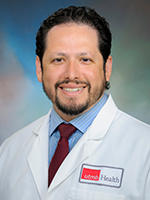
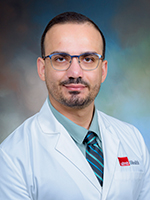
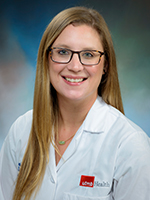
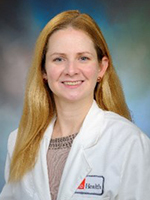
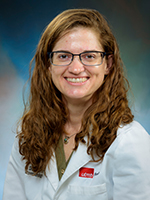
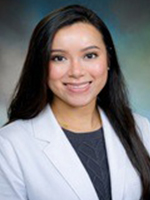
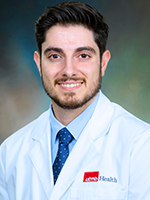
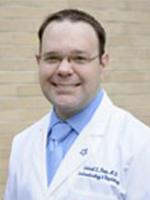
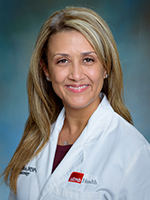
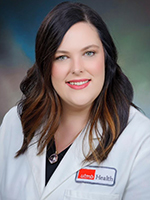
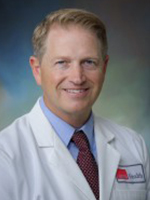
Each provider may treat different conditions. Click on a profile to see their areas of specialty.








Frequently Asked Questions
-
What does the gastrointestinal (GI) system consist of?
The GI system includes the stomach, intestines, esophagus, liver, pancreas, and rectum. A healthy GI system breaks down food, absorbs nutrients, and removes waste efficiently.
-
What are common signs of digestive problems?
Symptoms can include abdominal pain, bloating, gas, constipation, diarrhea, heartburn, nausea, vomiting, blood in stool, or unintentional weight changes.
-
When should I see a gastroenterologist?
Seek care from your primary care provider if you experience persistent digestive symptoms, unexplained weight loss, rectal bleeding, difficulty swallowing, or chronic diarrhea or constipation. Routine screenings, such as colonoscopies, are also recommended for adults over 45 or those at increased risk for GI conditions.
-
What causes digestive issues?
Digestive problems can result from diet, stress, infections, medications, genetic conditions, or chronic disorders like IBS, GERD, or celiac disease. Lifestyle factors like low fiber intake, dehydration, and sedentary habits can also contribute.
-
How can I maintain good digestive health?
Eat a balanced diet rich in fiber, fruits, and vegetables; stay hydrated; exercise regularly; manage stress; limit alcohol, tobacco, and processed foods; and keep up with routine screenings.
-
What tests do gastroenterologists use?
Common tests include colonoscopy, endoscopy, imaging scans, blood tests, stool tests, and breath tests to evaluate digestion, detect inflammation, or check for infections or growths.
- 1005 Harborside Drive
6th Floor - M–F: 8 a.m.–5 p.m.
- (409) 772-0122
- (409) 747-0777
- Website
- 2240 Gulf Freeway South
Suite 2.110 - M–F: 8 a.m.–5 p.m.
- (832) 505-1600
- (281) 309-0147
- Website
- 2660 Gulf Freeway South
Entrance B - M–F: 8 a.m.–5 p.m.
- (832) 505-2350
- (281) 337-0719
- Website
- 17448 Highway 3
2nd Floor - M–F: 8 a.m.–5 p.m.
- (832) 505-1600
- (832) 905-6948
- Website
- 1715 South Friendswood Drive, 4th Floor
- M–F: 8 a.m.–5 p.m.
- (832) 505-1600
- (281) 482-3963
- Website
- 250 Blossom Street
2nd floor, Suite 230 - M–F: 8 a.m.–5 p.m.
- (832) 505-1600
- (832) 553-0292
- Website